


How Much Does an Excavator Cost: A Complete 2025 Pricing Guide for Construction Professionals
 Aug 22, 2025|
 View:24430
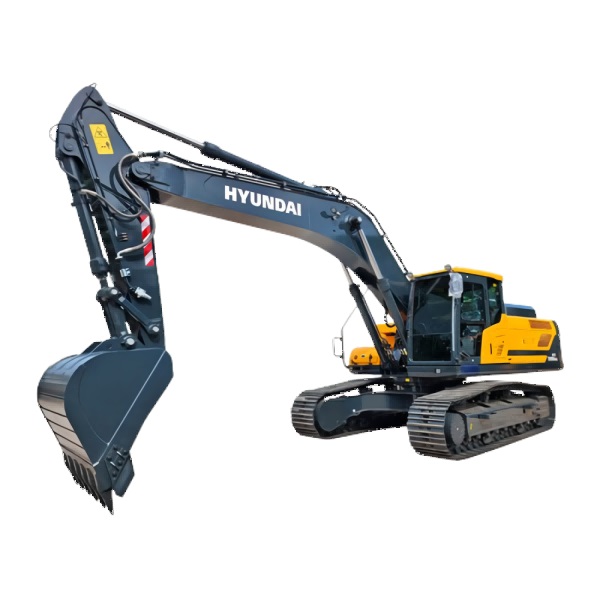
An excavator represents one of the most significant investments in construction equipment, with prices varying dramatically based on size, features, and market conditions. Understanding excavator costs helps contractors make informed decisions about purchasing, leasing, or renting these essential machines for construction projects.
Construction equipment spending has increased by over 18% in recent years, with excavators making up nearly 32% of heavy equipment purchases. The right excavator can boost productivity by up to 45% while reducing labor costs significantly.
Contractors benefit from understanding excavator pricing by making better financial decisions, choosing appropriate machine sizes, and planning equipment investments effectively. The growing construction market continues to drive demand for reliable excavators.
Key Takeaways
• Excavator prices range from $15,000 for used mini excavators to over $800,000 for large mining excavators
• Size categories significantly impact excavator costs, with mini excavators offering the most affordable entry point
• Operating costs including fuel, maintenance, and operator wages add $50-150 per hour to total ownership expenses
• Financing options and used equipment markets provide alternatives to high upfront purchase costs
Regular maintenance and proper operation extend excavator lifespan and protect investment value
Excavator Cost Overview
What Determines Excavator Pricing?
Several factors influence how much an excavator costs. Size remains the primary price determinant, with mini excavators starting around $15,000 used and full-size models reaching $800,000 or more. Brand reputation, engine specifications, hydraulic systems, and technology features all affect pricing.
Note: Understanding these cost factors helps buyers select excavators that match both budget constraints and project requirements.
The table below shows common excavator size categories and typical price ranges:
| Size Category | Operating Weight | New Price Range | Used Price Range | Primary Applications |
Mini Excavators | 1-6 tons | $35,000-$150,000 | $15,000-$80,000 | Landscaping, utilities, residential |
Compact Excavators | 6-10 tons | $80,000-$200,000 | $40,000-$120,000 | Small construction, municipal work |
Mid-Size Excavators | 10-25 tons | $150,000-$350,000 | $75,000-$200,000 | General construction, road work |
Large Excavators | 25-45 tons | $300,000-$600,000 | $150,000-$400,000 | Heavy construction, mining |
Mining Excavators | 45+ tons | $500,000-$2,000,000 | $250,000-$1,200,000 | Mining operations, quarries |
These standardized categories help contractors compare excavator costs across different manufacturers and models.
How Excavator Costs Break Down
Excavator pricing involves multiple cost components beyond the initial purchase price. Buyers must consider operating expenses, maintenance costs, insurance, and depreciation when calculating total ownership costs.
• Purchase Price: The upfront cost varies based on size, features, and condition
• Operating Costs: Fuel consumption averages $25-60 per hour depending on engine size
• Maintenance: Annual maintenance typically costs 8-12% of the machine's original price
• Insurance: Equipment insurance ranges from $2,000-$8,000 annually
• Depreciation: New excavators lose 15-20% value in the first year
Tip: Many contractors find that total cost of ownership over five years often exceeds the initial purchase price by 50-80%.
Recent industry data highlights important excavator cost trends:
• The global excavator market reached $58 billion in 2024, with steady 5-7% annual growth
• Used excavator prices stabilized in 2024 after earlier volatility, with modest 3-5% increases expected in 2025
• Mini excavators account for over 45% of unit sales but only 16% of total market value
• Rental rates increased 6-8% annually, making purchase more attractive for frequent users
• Electric excavators command 15-25% price premiums but offer 20-30% lower operating costs
When planning excavator purchases, contractors should:
• Calculate hourly usage requirements to determine optimal size
• Compare new versus used pricing based on expected service life
• Evaluate financing options including loans, leases, and rental programs
• Consider fuel efficiency ratings to minimize long-term operating costs
• Research maintenance requirements and parts availability for different brands
Excavator costs reflect the significant value these machines provide in construction operations. Understanding pricing helps contractors make smart equipment investments that improve profitability and project efficiency.
Excavator Size Categories and Pricing
Mini Excavators (1-6 tons)
Mini excavators offer the most affordable entry point into excavator ownership. These compact machines cost between $35,000-$150,000 new, with quality used models available from $15,000-$80,000. Operating weights range from 1-6 tons, making them ideal for residential construction, landscaping, and utility work.
Mini excavators provide excellent maneuverability in tight spaces while maintaining lower operating costs than larger machines. Fuel consumption averages 2-4 gallons per hour, significantly less than full-size excavators. Maintenance costs also remain lower due to smaller engines and simpler hydraulic systems.
| Component Type | Mini Excavator Features | Cost Impact | Performance Benefits |
Steel Track Systems | Rubber or steel track options, compact design | Lower replacement costs, $2,000-$5,000 | Better traction, reduced ground pressure, easy transport |
Hydraulic Systems | Simple circuits, moderate flow rates | Reduced maintenance, lower repair costs | Adequate power for light duties, fuel efficient operation |
Cab Design | Open or enclosed ROPS/FOPS certified | Safety compliance, $3,000-$8,000 upgrade | Operator protection, improved visibility, comfort features |
Mid-Size Excavators (10-25 tons)
Mid-size excavators represent the workhorse category for general construction. New prices range from $150,000-$350,000, while used options cost $75,000-$200,000. These machines balance power, versatility, and operating costs effectively for most construction applications.
Mid-size excavators feature more powerful engines and advanced hydraulic systems compared to mini models. They can handle larger attachments and work in demanding conditions while maintaining reasonable fuel efficiency at 6-12 gallons per hour.
Large Excavators (25+ tons)
Large excavators serve heavy construction and mining operations with prices from $300,000-$2,000,000 depending on size and specifications. These machines offer maximum productivity but require significant capital investment and higher operating costs.
Tip: Large excavators often justify their higher costs through increased productivity and ability to handle specialized attachments worth $20,000-$100,000 each.
Cost Comparison Analysis
The relationship between excavator size and cost follows predictable patterns. Doubling the operating weight typically increases purchase price by 60-80%. However, productivity often increases more than proportionally, improving cost per cubic yard moved.
Operating cost analysis reveals that larger excavators often provide better value per unit of work completed:
• Mini excavators: $45-65 per hour including operator
• Mid-size excavators: $85-125 per hour including operator
• Large excavators: $150-250 per hour including operator
While hourly costs increase with size, larger excavators move 3-10 times more material per hour than mini models. This productivity advantage often makes larger machines more cost-effective for substantial projects despite higher operating expenses.
Understanding excavator costs across different size categories helps contractors select machines that optimize both initial investment and long-term profitability. The key lies in matching machine capabilities to project requirements while considering total cost of ownership over the equipment's useful life.
Operating and Hidden Costs
Fuel and Energy Expenses
Excavator fuel consumption significantly impacts operating costs and varies by engine size, working conditions, and operator techniques. Mini excavators consume 2-4 gallons per hour, while large excavators use 8-20 gallons hourly. At current diesel prices averaging $4.50 per gallon, fuel costs range from $9-90 per operating hour.
Modern excavators incorporate fuel-saving technologies that reduce consumption by 10-15% compared to older models. These systems automatically adjust engine speed based on load requirements, optimizing fuel efficiency without sacrificing performance.
Studies show that proper operator training can reduce fuel consumption by 8-12% through improved technique and machine awareness.
Fuel efficiency varies significantly based on application:
• Light duty work: Landscaping and utility tasks achieve best fuel economy
• Heavy excavation: Rock breaking and loading trucks increases consumption 20-30%
• Idle time: Extended idling can account for 30-40% of total fuel use
Maintenance and Service Costs
Regular maintenance represents 8-12% of an excavator's original purchase price annually. A $200,000 excavator typically requires $16,000-$24,000 in yearly maintenance expenses. These costs include scheduled services, wear part replacement, and unexpected repairs.
| Maintenance Category | Annual Cost Range | Frequency | Cost Factors |
Routine Service | $3,000-$8,000 | Every 250-500 hours | Oil changes, filter replacements, inspections |
Hydraulic System | $2,000-$6,000 | Every 1,000-2,000 hours | Fluid changes, seal replacement, pump service |
Track/Undercarriage | $4,000-$12,000 | Every 2,000-4,000 hours | Track replacement, sprocket wear, roller service |
Engine Overhaul | $15,000-$45,000 | Every 8,000-12,000 hours | Major rebuild or replacement, varies by size |
Tip: Preventive maintenance costs 60-70% less than reactive repairs while extending equipment life by 25-30%.
Insurance and Financing
Equipment insurance protects excavator investments but adds ongoing costs. Annual premiums range from $2,000-$8,000 depending on machine value, usage, and coverage levels. Comprehensive policies cover theft, damage, and liability exposure.
Financing options affect total ownership costs significantly:
• Bank loans: 4-8% interest rates for 3-7 year terms
• Equipment financing: 5-10% rates with flexible terms
• Leasing: Higher monthly payments but lower upfront costs
• Rent-to-own: Most expensive option but provides immediate access
Operator and Training Costs
Qualified excavator operators command $25-45 per hour depending on experience and location. Training new operators costs $2,000-$5,000 but improves safety and reduces equipment damage. Experienced operators increase productivity 15-25% while reducing maintenance costs through proper machine handling.
Hidden costs often surprise new excavator owners:
• Transportation: Moving machines between job sites costs $200-800 per move
• Storage: Indoor storage prevents weather damage but costs $200-500 monthly
• Permits: Overweight transport permits add $50-200 per move for large excavators
• Attachments: Specialized tools cost $2,000-$50,000 each but increase versatility
Understanding total operating costs helps contractors accurately bid projects and maintain profitability. These ongoing expenses often equal or exceed the initial purchase price over an excavator's useful life, making cost management crucial for success.
Financing and Purchase Options
New vs. Used Excavator Costs
The decision between new and used excavators significantly impacts both upfront costs and long-term value. New excavators offer latest technology, full warranties, and predictable performance but require substantial capital investment. Used machines provide immediate savings of 30-60% while accepting higher maintenance risks and shorter remaining service life.
New Excavator Advantages:
• Complete manufacturer warranty coverage (1-3 years)
• Latest fuel efficiency and emissions technology
• Full parts and service support availability
• Predictable maintenance schedules and costs
• Higher resale values after 5-7 years of service
Used Excavator Benefits:
• Immediate 30-60% price savings over new equivalents
• Faster return on investment for established contractors
• Proven reliability records for specific models and years
• Lower insurance costs due to reduced replacement values
• Depreciation curve flattens after initial years
Age and hour considerations help buyers evaluate used excavator values. Machines under 3 years old with fewer than 2,000 hours typically retain 70-80% of original value. Units with 3,000-5,000 hours require more careful inspection but offer substantial savings for budget-conscious buyers.
Leasing and Rental Options
Equipment leasing provides access to newer excavators without large capital requirements. Monthly lease payments typically cost 2-4% of the machine's purchase price, making a $200,000 excavator available for $4,000-$8,000 monthly. Lease terms usually run 3-5 years with options to purchase at predetermined residual values.
Leasing Benefits:
• Preserves working capital for other business needs
• Predictable monthly expenses aid cash flow planning
• Warranty coverage often includes throughout lease term
• Easy upgrades to newer models at lease end
• Potential tax advantages through deductible lease payments
Short-term rental serves specific project needs without long-term commitment. Daily rental rates range from $300-1,500 depending on excavator size and local market conditions. Weekly and monthly rates offer better value for extended projects, typically providing 20-30% savings over daily pricing.
Financing Programs and Incentives
Manufacturer financing programs often provide competitive rates and flexible terms for qualified buyers. These programs may offer 0-2% promotional rates for limited periods or during slow sales seasons. Equipment-specific financing considers the machine's resale value, enabling longer terms and lower payments than traditional business loans.
Government incentives support equipment purchases:
• Section 179 deduction: Up to $1,220,000 immediate expense deduction for 2025
• Bonus depreciation: Additional first-year depreciation benefits
• State and local programs: Various tax credits and financing assistance
Case Study: A mid-size contractor comparing options for a $250,000 excavator found:
• Cash purchase: Full ownership, higher upfront cost, maximum tax benefits
• Bank loan: 6.5% rate, 5-year term, $4,800 monthly payment
• Manufacturer lease: 4.9% rate, lower monthly cost, upgrade flexibility
• Used alternative: $150,000 savings, higher maintenance risk, shorter warranty
The contractor selected manufacturer leasing due to predictable costs, warranty coverage, and preserved capital for other investments.
Making the Right Financial Choice
Selecting optimal financing depends on business cash flow, tax situation, and equipment usage patterns. High-utilization contractors often benefit from ownership through loans or cash purchases. Seasonal or project-specific users may prefer leasing or rental arrangements.
Financial decision factors:
• Cash flow requirements: Available capital for down payments and monthly obligations
• Tax strategy: Depreciation benefits versus lease payment deductions
• Usage patterns: Hours per year and seasonal variations
• Technology needs: Importance of latest features and emissions compliance
• Resale planning: Expected ownership period and disposal strategy
Smart financing choices help contractors acquire necessary excavators while maintaining financial flexibility. Understanding all options ensures the best match between equipment needs and business objectives.
When considering excavator investments, contractors should evaluate their specific operational requirements and financial circumstances. The right choice balances immediate needs with long-term business goals while managing risks appropriately. For those seeking reliable, high-performance excavators backed by comprehensive dealer support, choosing an established Hyundai excavator dealer provides access to proven technology, competitive financing, and exceptional service that maximizes equipment value throughout its operational life.
FAQ
What is the average cost of a new excavator in 2025?
New excavator prices range from $35,000 for mini excavators to over $800,000 for large mining models. Mid-size excavators typically cost $150,000-$350,000, representing the most popular category for general construction work.
How much can I save buying a used excavator?
Used excavators offer 30-60% savings compared to new models. A $200,000 new excavator might cost $80,000-$140,000 used, depending on age, hours, and condition. However, factor in potentially higher maintenance costs and shorter remaining service life.
What are the ongoing operating costs for excavators?
Operating costs include fuel ($25-60/hour), maintenance (8-12% of purchase price annually), insurance ($2,000-$8,000/year), and operator wages ($25-45/hour). Total hourly costs range from $50-250 depending on excavator size.
Should I buy, lease, or rent an excavator?
Choose based on usage patterns: Buy for heavy, year-round use; lease for moderate use with upgrade flexibility; rent for occasional or project-specific needs. Buying typically becomes cost-effective at 1,000+ hours annually.
What financing options are available for excavator purchases?
Options include manufacturer financing (0-10% rates), bank loans (4-8% rates), leasing programs, and government-backed SBA loans. Many contractors benefit from Section 179 tax deductions up to $1,220,000 for equipment purchases.
How do excavator sizes affect pricing?
Mini excavators (1-6 tons): $35,000-$150,000 newMid-size excavators (10-25 tons): $150,000-$350,000 newLarge excavators (25+ tons): $300,000-$2,000,000 newLarger machines cost more but provide proportionally higher productivity.
What factors affect excavator resale value?
Key factors include brand reputation, maintenance history, operating hours, age, and market demand. Well-maintained excavators from reputable manufacturers retain 60-70% of original value after 3-5 years.
Are electric excavators worth the higher cost?
Electric excavators cost 15-25% more upfront but offer 20-30% lower operating costs through reduced fuel and maintenance expenses. They're ideal for indoor work, noise-sensitive areas, and companies prioritizing sustainability.


