


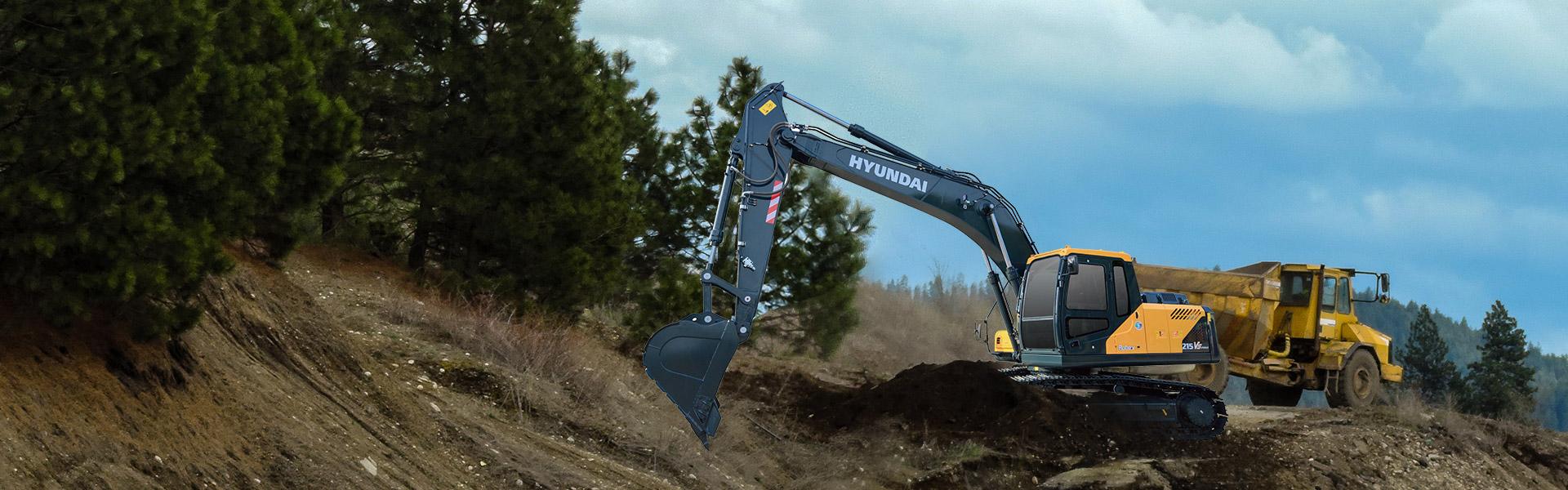
Hyundai HX305L 31 Ton Crawler Excavator Specs and Duty Match
 Nov 06, 2026|
 View:5
Hyundai HX305L: A 31 Ton Crawler Excavator Built for Earthmoving and Quarry Work
Diesel is not a cost that gets reviewed at the end of the year on a machine of this size. It is a cost that follows every bucket. Contractors running earthmoving, infrastructure work, mine stripping and breaking duties watch two numbers at the same time: how much material the machine moves per hour, and how much fuel it burns to move it. The Hyundai HX305L is a 31 ton crawler excavator designed around both questions. This guide walks through what the machine actually offers, states which figures come from the supplier rather than from independent testing, and explains how to judge whether it fits a specific job. The full build sheet, including the downloadable catalog, sits on the HX305L (T4) crawler excavator product page.
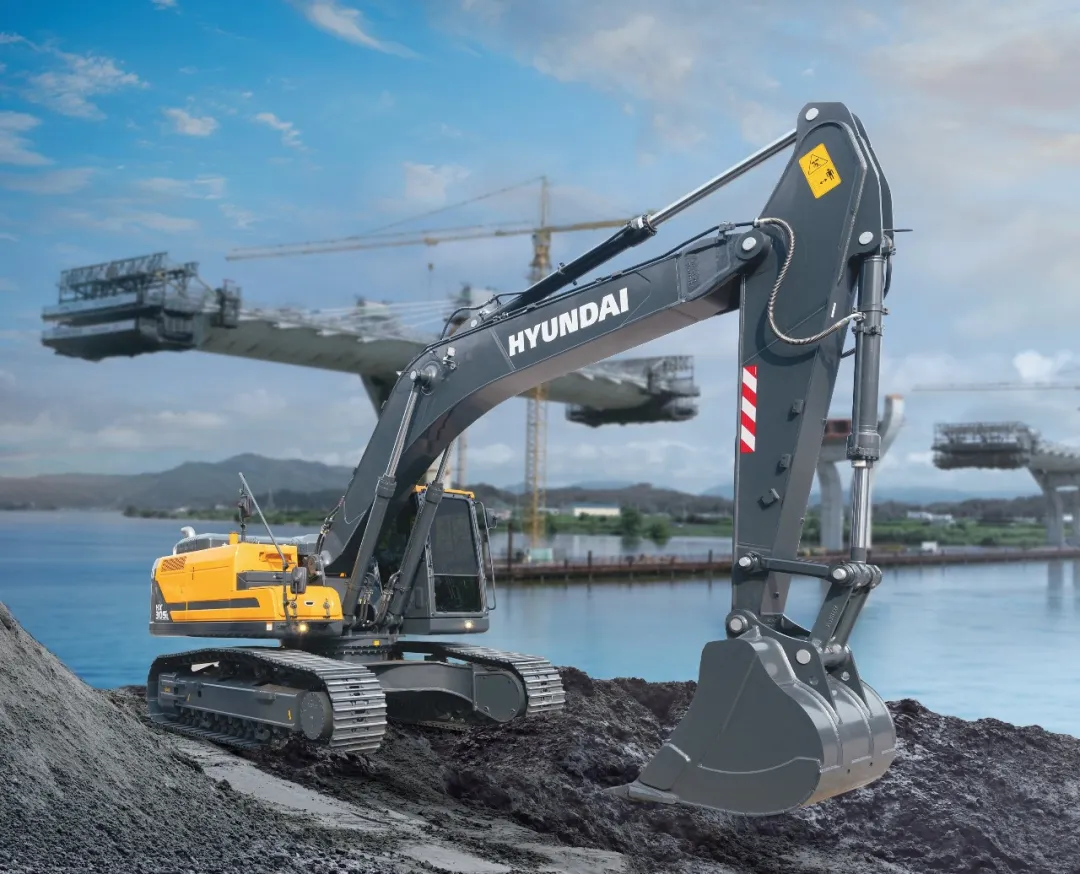
The HX305L on a bridge project. The 31 ton class is where most contract earthmoving volume sits.
Key Takeaways
The HX305L runs at 31.7 ton operating weight on a 1.44 m³ or 1.63 m³ bucket, with the 1.63 m³ heavy-duty bucket as the standard configuration.
Cummins B7 engine in the HX305L rated 173 kW at 2,000 rpm with 949 N·m of torque at 1,200 rpm, no EGR, and a DOC + DPF + SCR package for Tier 4 emission control.
Imported electronically controlled HX305L main pumps at 2 × 285 L/min, managed through EPIC independent pump control, with a 5–10% fuel optimization quoted by the supplier.
6.25 m heavy-duty boom and 3.05 m standard arm on the HX305L, with upgraded bushings, giving a maximum digging depth of 7,305 mm and a maximum reach of 10,785 mm.
Hi-Grade hydraulic hose with a service life 3–4 times that of regular hose, plus a radiator assembly changed from a series to a parallel layout.
Revised engine cover: 100 mm taller with honeycomb side vents reduced from 54 × 116 mm to 46 × 16 mm openings to keep debris out.
8-inch smart cluster on the HX305L carrying ECO Guidance, daily and hourly fuel statistics, work modes, fault warnings and service reminders.
Pilot-pressure safety lock on the HX305L, external one-touch emergency stop below the seat, three-stage fuel filtration and filters grouped in a single service area.
Where the HX305L Fits in the 31 Ton Class
Machines around 30 tonnes sit between the 20 tonne utility diggers used on residential and road work and the 40 tonne plus units reserved for bulk stripping. That middle ground is where most contract work actually happens: basement and foundation excavation, road and bridge substructure, drainage and large-scale trenching, quarry face loading, and attachment work such as breaking and secondary reduction.
The HX305L is configured for those duties. Its 31.7 ton operating weight gives the counterweight and stability to swing a loaded 1.63 m³ bucket without the machine shifting under load, while keeping the unit inside the transport envelope that most regional road rules allow. The exact limit still depends on local axle-load and permit rules and should be confirmed before the machine is moved between sites.
Two bucket sizes cover different materials. The 1.44 m³ bucket suits denser, heavier ground where breakout force matters more than volume per cycle. The 1.63 m³ bucket, which is the standard heavy-duty configuration on the export build, suits lighter bulk material where cycle volume drives productivity. This is a specification that gets ordered wrong more often than any other, because the correct choice depends on the material being moved rather than on the machine. A machine that spends most of its life on compacted clay and rock is not the same purchase as one loading loose aggregate all day.
Duty matching before price comparison
Three questions decide whether the HX305L is the right purchase. The first is cycle volume: how much material has to move per hour, and whether the constraint is the bucket, the truck fleet or the haul distance. A 31 ton excavator with a 1.63 m³ bucket can outrun a small truck fleet, which means the money spent on the larger machine produces no extra output unless the haul side is matched. The second is material, which drives bucket choice, undercarriage wear and bucket wear. The third is support, covered later in this guide. Peak digging forces are listed as 19.5 ton at the bucket and 14.0 ton at the arm under ISO conditions, with power boost figures of 21.2 and 15.2 ton.
Cummins B7 Engine and After-Treatment
The HX305L runs the Cummins B7, rated 173 kW at 2,000 rpm and delivering 949 N·m of torque at 1,200 rpm. The B series platform is one of the most widely serviced industrial diesel families in the world, which matters more in practice than a few extra kilowatts on paper: parts are available, technicians know the engine, and the service procedure is documented in every market.
The EGR decision
On the HX305L, the design decision that matters is the removal of the exhaust gas recirculation circuit. EGR lowers combustion temperature to control nitrogen oxides, but it also routes exhaust back through the intake, which costs pumping efficiency and adds heat load to the cooling package. Removing it lets the engine be calibrated for cleaner combustion and hands the nitrogen oxides job entirely to the after-treatment system. The supplier states this avoids the power loss and fuel penalty that EGR circuits typically introduce.
DOC, DPF and SCR in sequence
The HX305L after-treatment system is a DOC + DPF + SCR package: a diesel oxidation catalyst, a diesel particulate filter and selective catalytic reduction. In sequence, the DOC oxidizes unburned hydrocarbons and carbon monoxide, the DPF traps soot and burns it off during regeneration, and the SCR injects urea to convert the remaining nitrogen oxides into nitrogen and water. This is the architecture most Tier 4 off-road engines use, and it is the reason the machine needs urea on site and not only diesel.
One clarification for buyers comparing documents: the HX305L export build is listed as T4 on our product page, while the domestic Chinese version of the same machine is sold under the China Stage IV standard. Both describe the same after-treatment approach, but the compliance package is confirmed per destination market at order stage rather than assumed from the model name.
Consumable discipline is part of the cost model
The after-treatment only performs if the inputs are correct: low-sulfur diesel, low-ash engine oil, and urea that meets the specification rather than diluted or expired fluid. Ash from the wrong oil cannot be burned out of a DPF; it accumulates until the filter has to be cleaned or replaced. Contractors moving up from older Tier 2 or China II machines should treat fuel and oil quality as part of the operating cost model rather than as an optional upgrade. Background on why diesel after-treatment and fuel sulfur limits matter is published by the US environmental regulator for transport emissions.
ECO Guidance and consumption logging
Fuel monitoring on the HX305L is built in rather than added afterwards. ECO Guidance on the cluster shows the operator which part of the load and speed range the machine is working in, and the system logs consumption by day and by hour. The value is not the number on its own but the comparison it enables: a site that can see two operators burning different amounts of fuel on the same task has something concrete to train against.
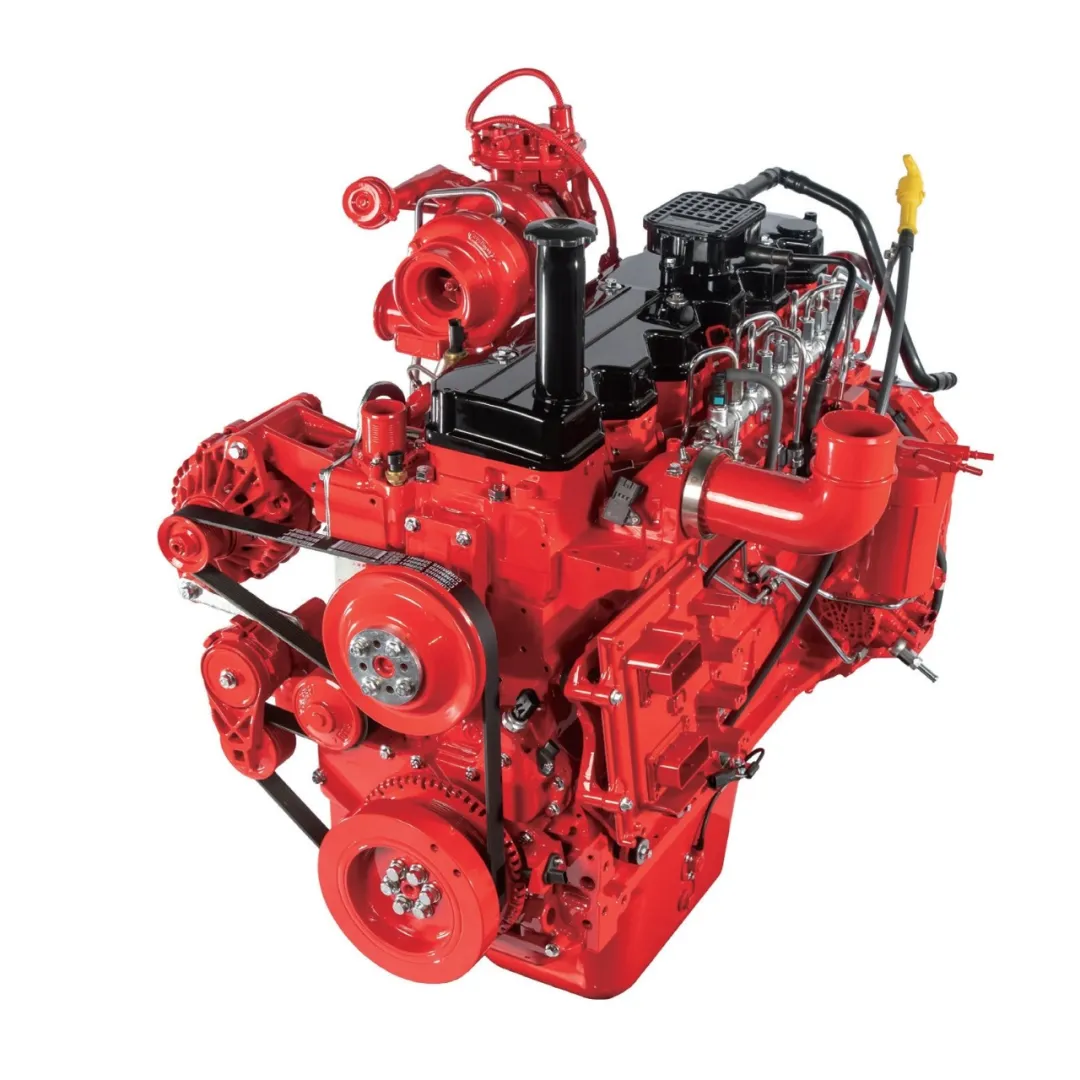
Cummins B7 rated 173 kW at 2,000 rpm and 949 N·m at 1,200 rpm, with the EGR circuit deleted.
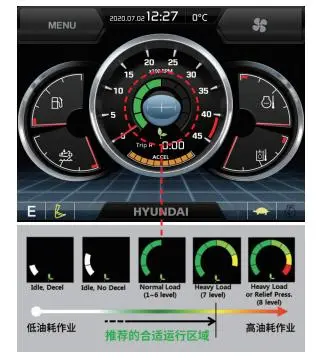
ECO Guidance indicates the economical working range and logs consumption by day and by hour.
EPIC Hydraulics: Independent Pump Control
The HX305L uses imported electronically controlled main pumps with a combined rated flow of 2 × 285 L/min, feeding an implement circuit rated at 350 kgf/cm² and 380 kgf/cm² in power boost. EPIC electronic pump control manages each pump independently rather than tying both to a single regulator setting, which is what allows the flow split to be changed by duty.
Where the 5–10% comes from
Boom lowering and leveling are the two functions where independent control is felt most. Both are low-load, high-precision movements, and both are commonly where an excavator burns fuel it does not need to burn. Matching flow to the function instead of to the heaviest function in the circuit is what the supplier credits with a 5–10% fuel optimization. A revised spool design in the control valve reduces pressure loss through the circuit and contributes to the same figure.
The same control strategy also suppresses rpm droop when load changes suddenly, so the engine holds speed instead of sagging and recovering. Operators describe that as smoother joystick response rather than as a number on a sheet, and it is the difference between a machine that feels vague at the end of a long shift and one that stays predictable.
Swing and combined motion
Swing speed is listed at 10.7 rpm, and the swing mechanism is reported as field-validated over tens of thousands of operating hours, with a 10% efficiency gain claimed for the current generation. Combined-motion coordination is the practical benefit: loading, digging and breaking all involve two or more functions at once, and a swing circuit that holds its speed lets the operator keep a consistent cycle instead of working around the machine. Travel speed is 5.6 km/h in high range and 3.2 km/h in low, with maximum traction force of 29.7 ton and gradeability of 35 degrees.
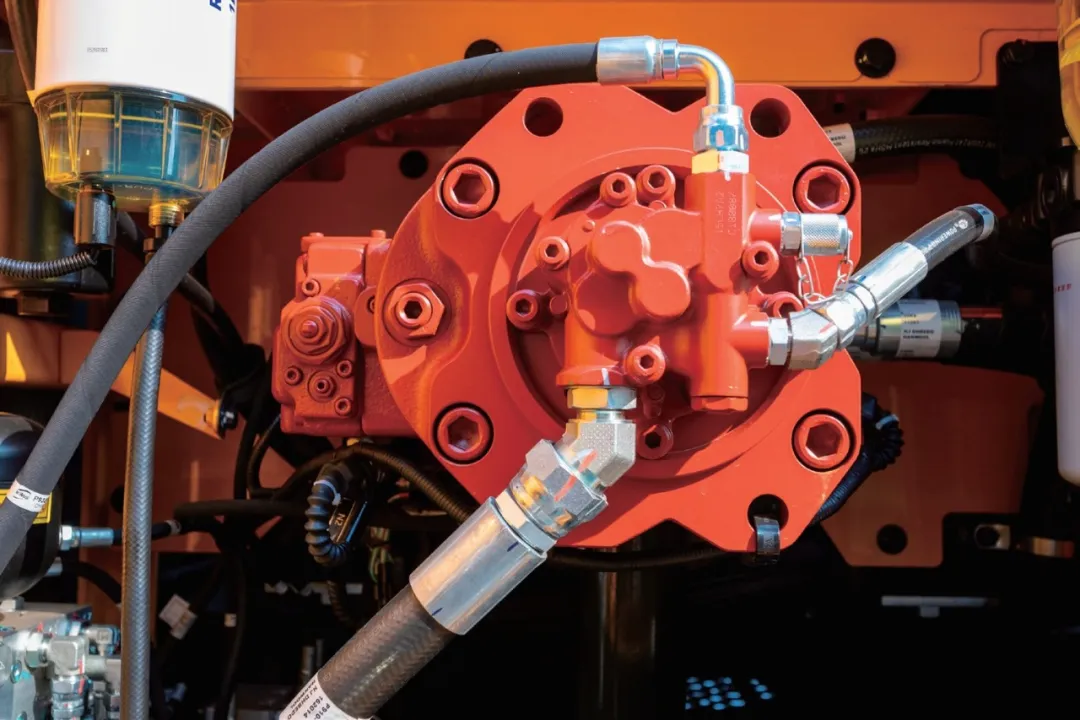
Electronically controlled main pumps, 2 × 285 L/min rated flow, with EPIC independent control.
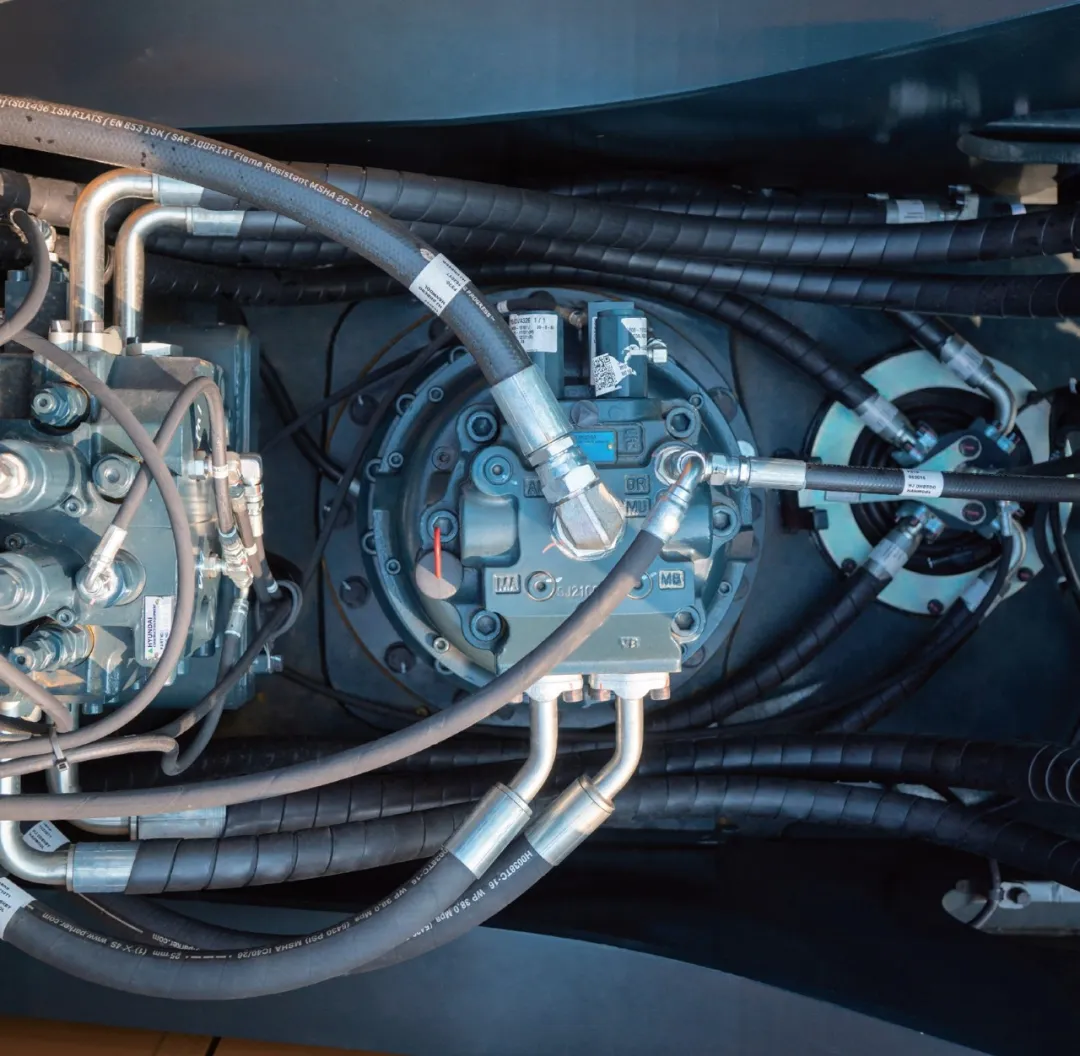
Revised spool geometry in the valve body reduces pressure loss through the circuit.
Need current pricing, container loading details or a specification sheet for the Hyundai HX305L?
Request a QuoteFront End, Cooling and Cover Design
The HX305L working attachment is a 6.25 m heavy-duty boom paired with a 3.05 m standard arm. That combination extends the working envelope upward and outward compared with a standard boom on a shorter machine, which matters for truck loading, deep trenching and face work where reach determines how often the machine has to reposition. Bushings in the attachment have been upgraded for wear resistance, and the practical effect of that is measured in re-greasing intervals and pin wear rather than in a headline figure. Maximum digging depth is 7,305 mm, maximum digging height 10,115 mm and maximum dump height 7,175 mm, with a minimum swing radius of 4,280 mm for work against a wall or in a single-lane closure.
Radiator: from series to parallel
Cooling on the HX305L has been reworked around the same problem that EGR deletion addresses: heat load. The radiator assembly has been changed from a series configuration to a parallel one, which improves heat exchange without stacking one core behind another in the same air path. An electronically controlled clutch fan matches fan speed to actual cooling demand instead of running at a fixed ratio. In high ambient temperatures that is the difference between a machine that holds its working temperature through a long shift and one that has to be backed off.
Hi-Grade hose: 3–4 times the service life
Hydraulic hose specification is the least visible upgrade on the sheet and one of the more consequential. Compared with regular hydraulic hose, Hi-Grade hose is rated at 3–4 times the service life, with improved heat resistance. A burst hose is not only a repair bill; it is a stopped machine, spilled oil and a cleanup. Longer hose life moves that failure mode out of the routine cost picture, particularly on machines that run hot hydraulic circuits all day in summer.
Cover design: 100 mm taller, honeycomb vents
The HX305L engine cover has been raised by 100 mm and given additional ventilation openings on the side panels to improve airflow through the compartment. The vent pattern changed from slots to a honeycomb layout, with individual openings reduced from 54 × 116 mm to 46 × 16 mm. Smaller openings keep debris, chaff and wind-blown material out of the engine bay while still passing air, which reduces the cleaning frequency needed in dusty quarry and demolition conditions.
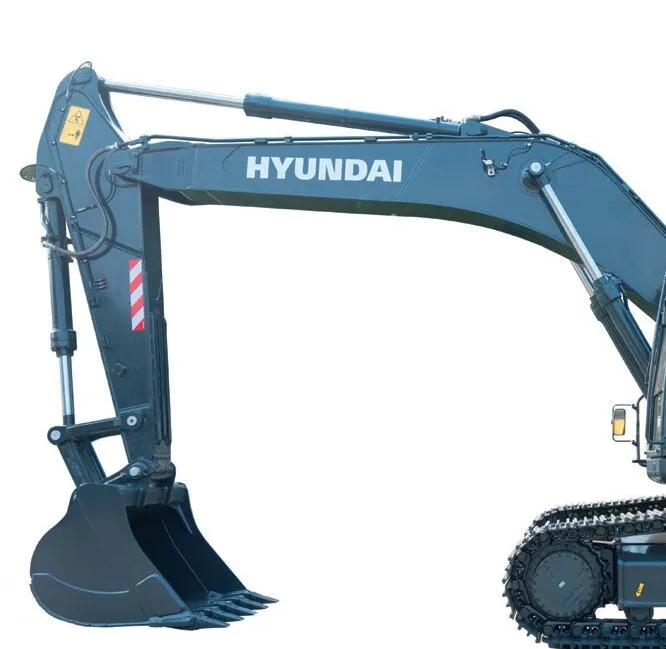
6.25 m heavy-duty boom with a 3.05 m standard arm and upgraded bushings.
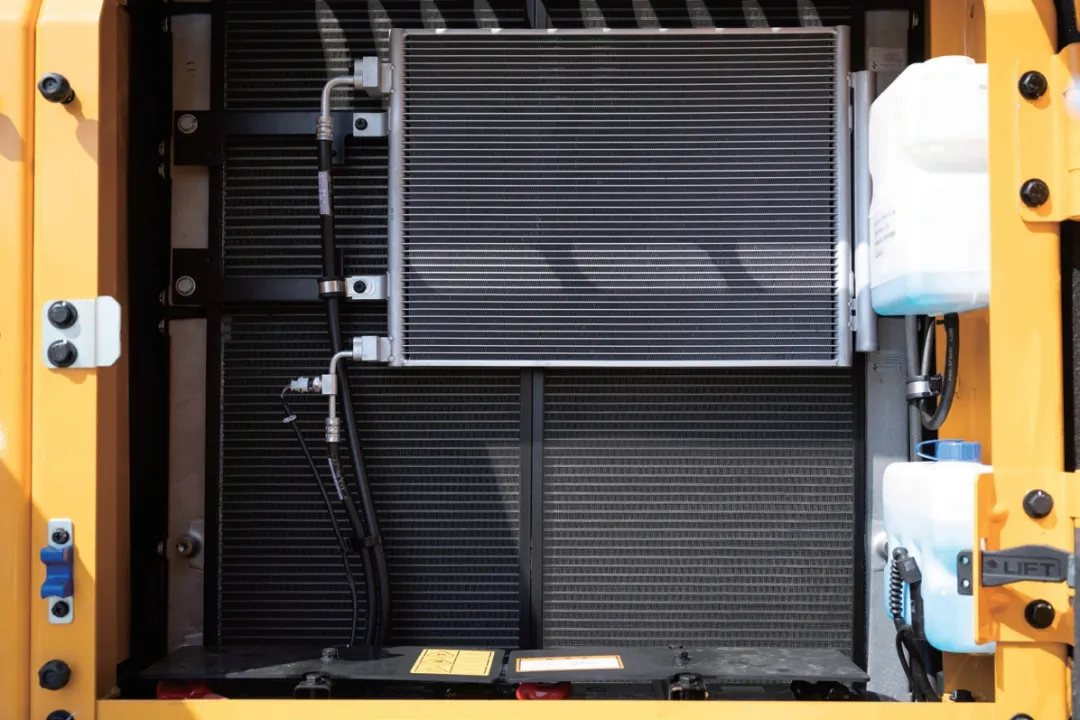
Parallel radiator layout paired with an electronically controlled clutch fan.
Inside the Cab
The HX305L cab is the current generation of the HX series. Sealing has been improved to keep site noise and dust out, which matters less for comfort than for the operator's ability to hear the machine and judge load by sound. The seat is an ergonomic suspension unit and air conditioning is sized for high ambient conditions rather than for mild ones, which is the difference between a full shift and a series of breaks on a 40 degree site.
The 8-inch smart LCD cluster carries fuel statistics, work mode selection, fault warnings and maintenance reminders in one place. Bluetooth and USB charging are provided, along with one-touch idle and auto idle: the first drops engine speed on demand, the second does it automatically after a set period without input, which is where a lot of idle fuel is actually lost on site. Both are small features that show up in the monthly fuel figure rather than in the specification table.
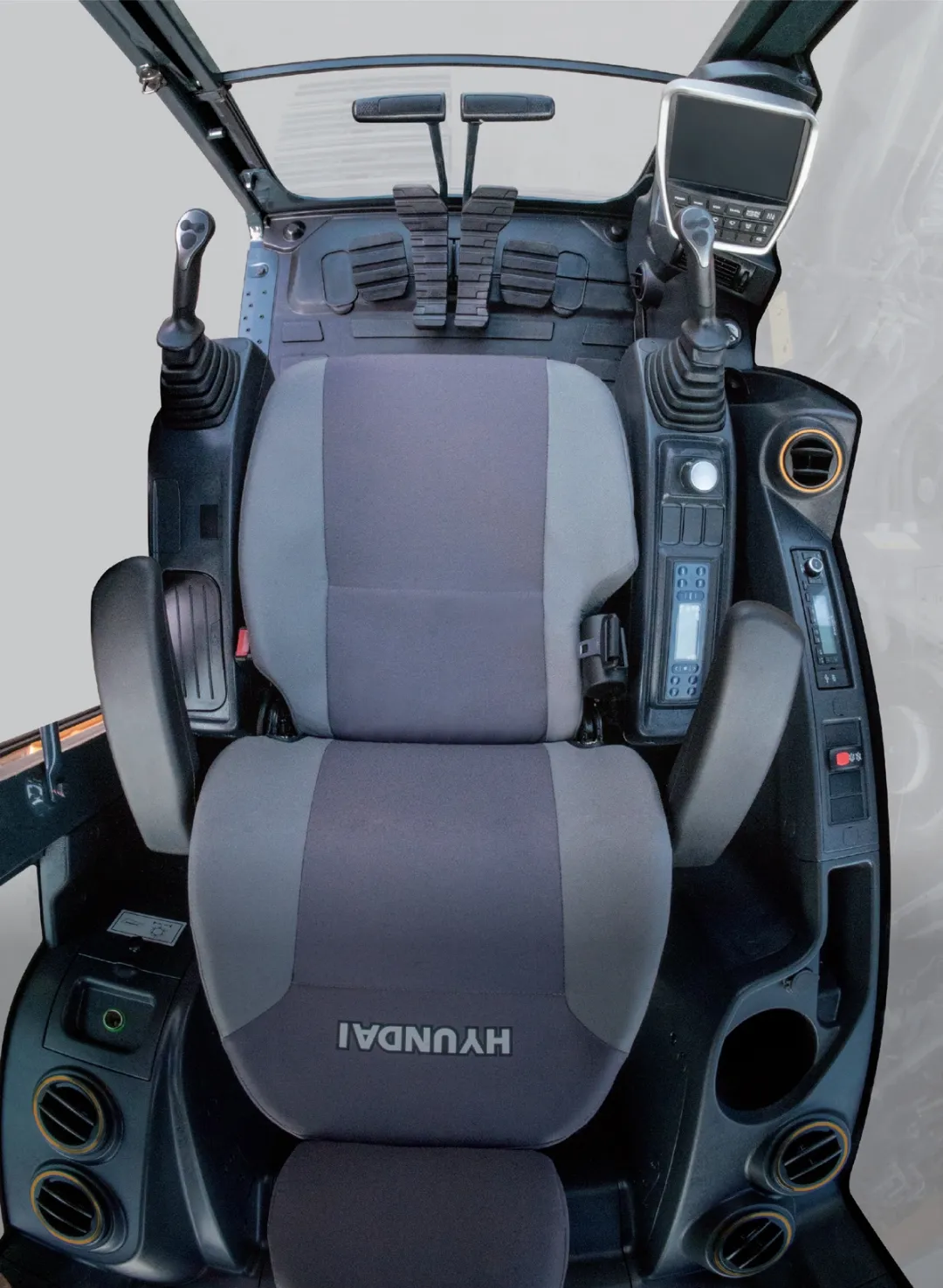
Improved cab sealing, ergonomic suspension seat and high-capacity air conditioning.

8-inch cluster: fuel statistics, work mode, fault warnings and service reminders.
Safety Devices and Service Access
On the HX305L a pilot-pressure automatic safety lock prevents the working functions from responding when the operator is not seated, which covers the case of a lever being knocked while someone is climbing in or out. A one-touch emergency stop is mounted externally below the seat, so it can be reached from ground level rather than from inside the cab. Neither device replaces site procedure; both remove a specific failure mode. General duties for machine operators on excavation sites are described in the trenching and excavation safety guidance published by the US labor safety authority.
Fuel and air are filtered in stages: three-stage fuel filtration plus a large-capacity air pre-cleaner. Both are about protecting the engine rather than about performance on the day, and both are cheap to service relative to the components they protect. Filters are grouped in one serviceable area, which shortens daily checks and makes it more likely they are actually done. On a machine working next to a breaker or a crusher, air pre-cleaning is not a comfort feature; it is what keeps the filter from loading up in a week.
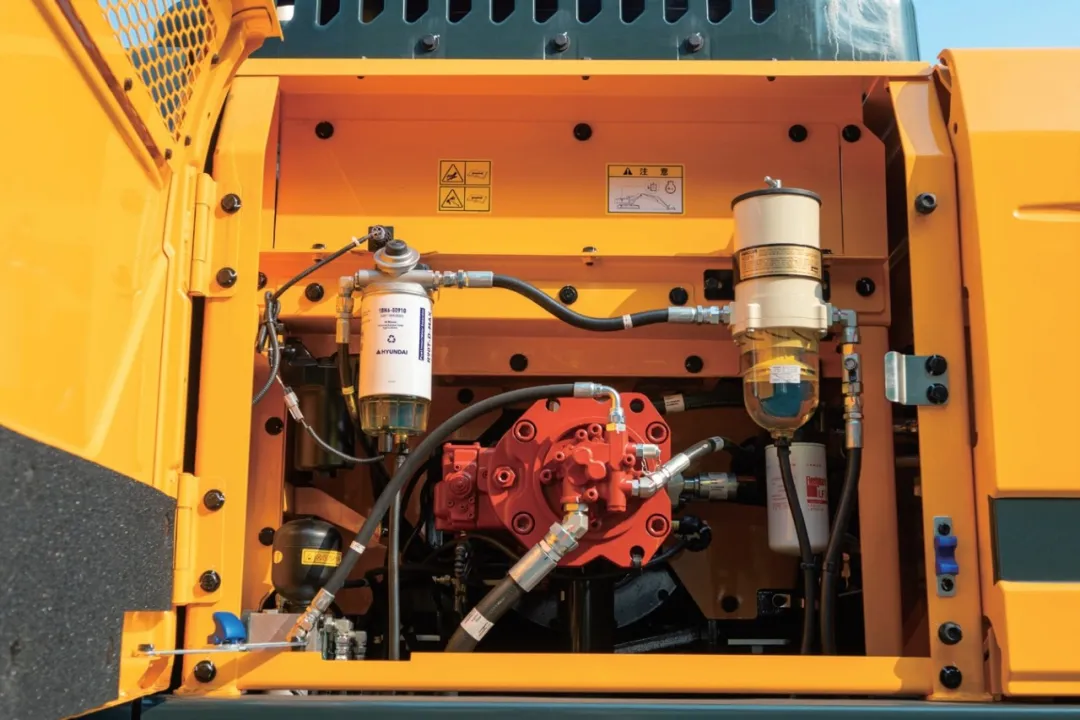
Three-stage fuel filtration plus a large-capacity air pre-cleaner, grouped in one service area.
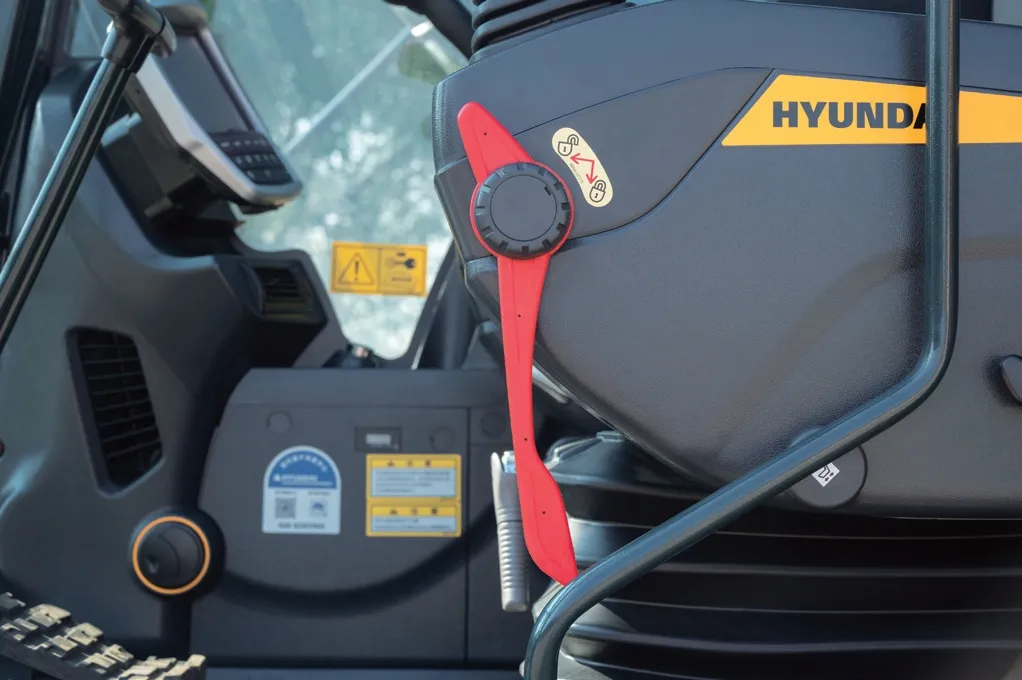
Pilot-pressure safety lock isolates the working functions when the operator is not seated.
HX305L Specifications
The Hyundai HX305L specifications below are as stated on the product page and by the manufacturer. They are configuration dependent and should be confirmed against the build sheet for a specific unit and destination market.
| Item | HX305L |
|---|---|
| Machine class | 31 ton class crawler excavator |
| Operating weight | 31.7 ton |
| Bucket capacity | 1.44 m³ / 1.63 m³ (1.63 m³ heavy-duty standard) |
| Engine model | Cummins B7 |
| Emission | T4 on export build, DOC + DPF + SCR, no EGR |
| Rated power | 173 kW / 232 hp / 235 ps at 2,000 rpm |
| Maximum torque | 949 N·m at 1,200 rpm |
| Main pump rated flow | 2 × 285 L/min, EPIC electronic control |
| Implement circuit | 350 kgf/cm² (380 kgf/cm² power boost) |
| Swing speed | 10.7 rpm |
| Travel speed | 5.6 km/h high, 3.2 km/h low |
| Maximum gradeability | 35 degrees |
| Maximum traction force | 29.7 ton |
| Bucket digging force | 19.5 ton (21.2 ton boost, ISO) |
| Arm digging force | 14.0 ton (15.2 ton boost, ISO) |
| Fuel tank | 490 L |
| Hydraulic tank | 200 L (350 L system) |
| Overall length / width / height | 10,600 / 3,200 / 3,240 mm |
| Tail swing radius | 3,210 mm |
| Ground clearance | 500 mm |
| Boom / arm length | 6,250 mm heavy-duty / 3,050 mm standard |
| Maximum digging reach | 10,785 mm |
| Maximum digging depth | 7,305 mm |
| Maximum digging height | 10,115 mm |
| Maximum dumping height | 7,175 mm |
| Minimum swing radius | 4,280 mm |
| Display | 8-inch smart LCD cluster with ECO Guidance |
Applications and Configuration Notes
The HX305L suits earthmoving, infrastructure construction, mine stripping and breaking work, plus loading and trenching at scale. The 6.25 m boom and 3.05 m arm extend reach for truck loading and deep excavation, and the hydraulic flow supports breaker and other attachment work. Because the same platform is sold into several emission regimes, the two points worth settling before a purchase order are the compliance package for the destination market and the bucket and attachment list for the actual material.
A machine bought for a river port handling loose sand and a machine bought for a limestone quarry are rarely the same specification, even when the model name on the order is identical. If you are still comparing classes rather than configurations, the comparison between tracked and wheeled undercarriages is worth reading before you commit to a transport plan.
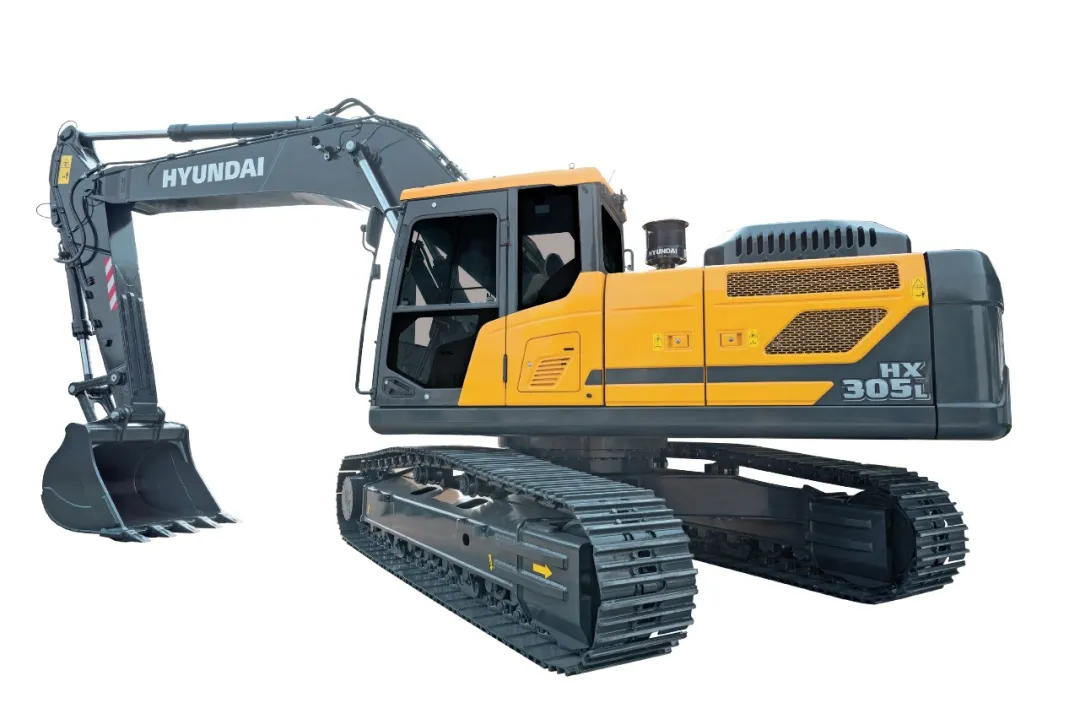
HX305L: 31.7 ton operating weight, 1.44 m³ or 1.63 m³ bucket.
Conclusion and Next Steps
The HX305L is a Tier 4 capable 31 ton excavator whose design choices are consistent with each other: dropping EGR shifts the emissions job to a DOC + DPF + SCR package and removes a heat and pumping penalty, the resulting cooling demand is answered with a parallel radiator and a demand-driven fan, and the fuel side is supported by independent pump control plus consumption logging the operator can actually see. The structural and hose upgrades address downtime rather than peak output, which is the correct priority for a machine bought to run continuously.
Choosing the Hyundai HX305L is about matching a proven 31 ton platform to the material and support conditions you actually work in, so the machine earns its keep on cycle volume and fuel rather than on the specification sheet. Browse the wider excavator range or the crawler excavator category for comparable models, or read our excavator pricing guide and the tracked versus wheeled comparison before you budget.
Ready to price an HX305L for your market?
Send your target configuration, duty cycle and destination port. Our team replies with the specification sheet, quotation validity and expected delivery time.
Get Your HX305L QuoteFAQ
What emission standard does the HX305L meet?
The export build is listed as T4, with a DOC + DPF + SCR after-treatment package and no EGR. The same machine sold in China is marketed under China Stage IV. Export-market configurations can differ, so confirm the compliance package for your destination country with our sales team before ordering.
Does the HX305L need urea, and how often?
Yes. The engine uses SCR, so it consumes urea as part of normal operation. Consumption tracks engine load and duty, so a machine on continuous breaking work will use more than one on light trenching. The tank level is monitored by the machine, and low-level warnings should not be deferred, because the system will derate output if the reagent runs out.
What fuel and oil quality does it require?
Low-sulfur diesel, low-ash engine oil and urea that meets the standard specification. The DPF cannot burn off oil ash, so the wrong oil permanently shortens filter life, and sulfur in fuel shortens catalyst life. This is a real operating cost difference compared with older machines and should be budgeted rather than discovered.
Which HX305L bucket should I order, 1.44 m³ or 1.63 m³?
Match it to material density, not to machine size. The 1.63 m³ heavy-duty bucket is the standard configuration and produces more volume per cycle in loose bulk material. The 1.44 m³ bucket keeps cycle speed and breakout force in denser, heavier or compacted ground. Ordering the larger bucket for heavy ground slows the machine and increases wear.
How does EPIC pump control change the HX305L for the operator?
It decouples the two main pumps so flow can be allocated by function rather than fixed by a single regulator setting. On the HX305L that shows up in boom lowering and leveling, where flow is matched to a low-load precision movement instead of a heavy digging cycle, and in smoother response when load changes suddenly.
How much fuel can the HX305L save?
The supplier quotes a 5–10% fuel optimization from independent pump control, revised spool geometry and mode management, with a further gain from one-touch and auto idle. Real savings depend on duty cycle and operator technique, which is why the machine logs consumption by day and by hour rather than only reporting a factory figure.
Contact Tianheng
Jiangsu Tianhengweiye Construction Machine Co., Ltd supplies Hyundai excavators and genuine parts for export markets, backed by a large genuine parts inventory and a network of direct-operated branches. For product data, spare parts and after-sales support, use the details below.
Address: No. 267, Hehai West Road, Changzhou, Jiangsu, China
Tel / WhatsApp: 0086-18951208765
Email: hyundai@th-mach.com or sale@th-mach.com
Product page: Hyundai HX305L (T4) Crawler Excavator
Website: www.th-mach.com