


Building Your Fleet: Hyundai Mini vs. Crawler Excavators
 Aug 17, 2026|
 View:149
Hyundai Mini Excavators vs Full-Size Crawler Excavators for Your Fleet
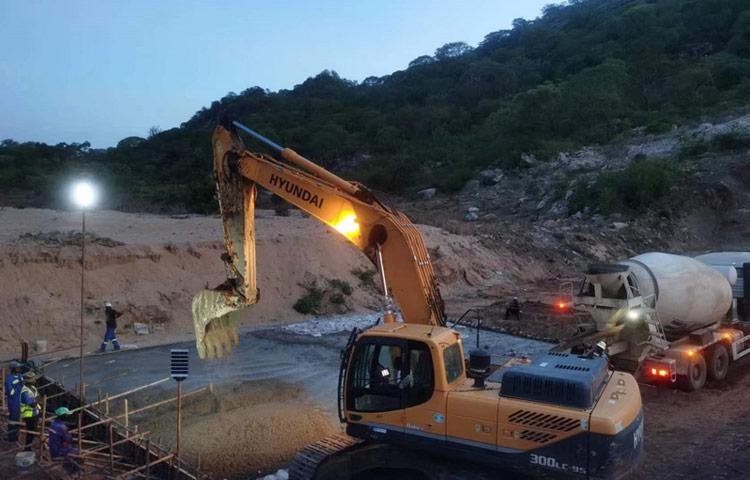
Selecting the right machine optimizes operational efficiency across every project. Fleet managers select compact Hyundai mini excavators for tight urban spaces, utility work, and rapid trailer transport. Conversely, heavy full-size crawler excavator units handle high-tonnage earthmoving, deep trenching, and maximum breakout force. Evaluating job site accessibility, transport logistics, and total cost of ownership ensures long-term profitability for your business. Jiangsu Tianhengweiye Construction Machine Co., Ltd. leads as a premier distributor supplying standard models and customized Hyundai heavy equipment solutions. Tianheng provides high-performance excavators tailored to your exact application. Understanding performance differences between compact crawler machinery and heavy-duty Hyundai excavators streamlines your fleet selection process for maximum productivity on every job.
Key Takeaways
Mini excavators fit into tight urban spaces and protect nearby walls.
Full-size crawler excavators dig deep trenches and lift heavy earth fast.
Pickup trucks haul light mini excavators on simple trailers without special permits.
Heavy crawler excavators require large lowboy trailers and state travel permits.
Eco-mode settings reduce fuel costs during simple utility jobs.
Hyundai Hi MATE telematics sends automated alerts to prevent costly machine breakdowns.
Site Accessibility for Compact Excavators and Crawlers
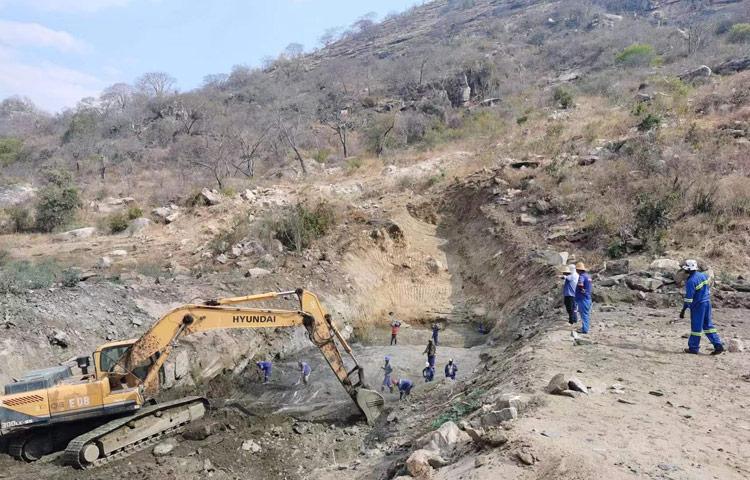
Evaluating job site accessibility requires matching equipment footprint to working area constraints. Compact excavators excel in tight spaces, whereas larger crawler machinery requires expanded clearance for heavy production.
Operating Footprint of Mini Units
Zero-Tail Swing Maneuverability
A mini excavator with zero-tail swing rotates entirely within the width of its track frame. Operators work near walls and road barriers without risking counterweight impacts. This design protects existing structures on tight urban projects.
Residential grading demands exceptional maneuverability in restricted quarters. Contractors select a mini excavator to dig near fence lines and foundations. The compact frame allows seamless movement across residential working areas.
Integrated Front Blade Functionality
An integrated front backfill blade expands operational versatility for every mini excavator unit. Operators use the blade to stabilize the chassis during active trenching tasks. This attachment also performs quick backfilling without requiring extra support machinery.
A typical utility job benefits from backfill blade leveling capabilities. Fleet managers deploy compact equipment for municipal pipe installation and fine ground preparation. The blade design increases overall performance across small spatial footprints.
Spatial Needs for Full-Size Machines
Tail Swing Clearance Requirements
Open construction projects accommodate a large full-size crawler excavator easily. Heavy earthmoving equipment requires substantial rotational clearance during continuous digging operations. Project managers evaluate total working footprint before deploying heavy machinery.
Parameter | Value |
|---|---|
Max. digging reach (working radius on an open site) | 32' 8.9" (9,980 mm) |
Tail swing radius (clearance while rotating) | 9' 1" (2,770 mm) |
Operating Hyundai HX220HD (T2) crawler excavators demands adequate clearance for high-tonnage output. The standard tail swing radius measures 9' 1" during rotation. Additionally, maximum digging reach extends to 32' 8.9" on open terrain.
Heavy-Duty Track Stability
Undercarriage design governs stability and ground pressure ratings across different terrain conditions. Steel tracks provide maximum traction on rough surfaces, while optional rubber tracks protect finished asphalt. A lower centre of gravity improves digging balance on uneven hills.
Track Factor | Stability and Ground Pressure Impact | Site Access Impact |
|---|---|---|
Operating weight | Higher weight increases lifting stability. | Increases transport and permitting demands. |
Track shoes | Longer tracks spread total machine weight. | Limits narrow access route movement. |
On the job site, the HX220HD (T2) travels at up to 3.5 mph (5.7 km/h) in high range, while its 21-ton max traction force and 35° gradeability keep it stable on rough, sloped terrain. Heavy-duty crawler frames handle continuous earthmoving but can damage newly laid pavement. Matching machine capacity to job site size ensures optimal production. Mid-size excavators bridge mid-range gaps, but full-scale earthmoving relies on dedicated crawler excavator stability.
Power, Dig Depth, and Breakout Force
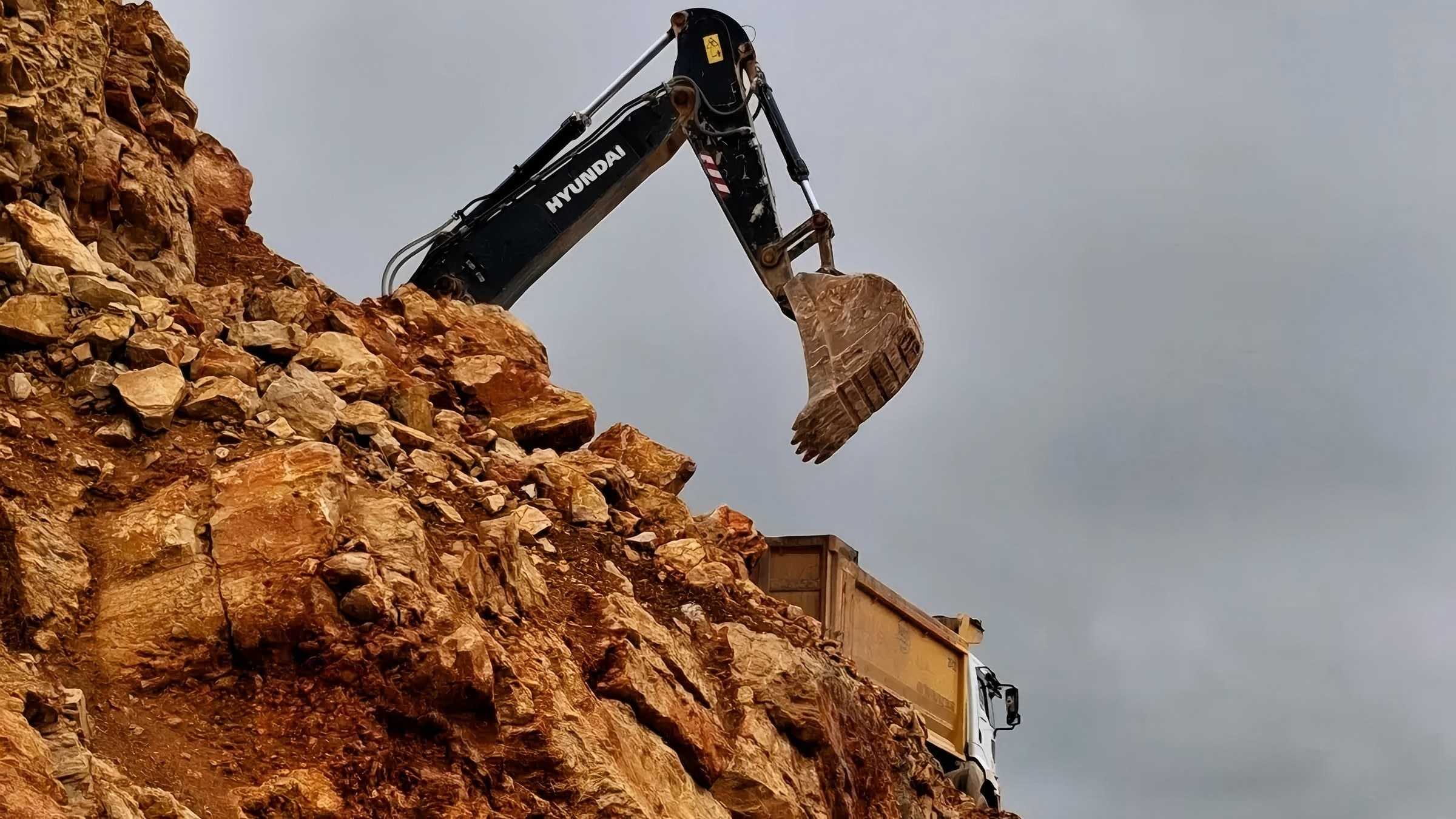
Hydraulic Output Across Excavators
Auxiliary Hydraulics on Mini Units
A compact mini excavator relies on precise fluid power to drive diverse work tools. The auxiliary hydraulic circuit directs pressurized oil straight to attached implements. Operators control augers, hydraulic thumbs, and tilt-rotators with exact responsiveness during delicate municipal utility work. Advanced hydraulic pumps in a mini frame deliver efficient fluid flow without overburdening the small diesel engine. This design balance ensures smooth multi-function operation while preserving low fuel consumption. Contractors select a mini unit when operating inside narrow alleys or working near tight property lines. Precise flow adjustments allow fine control over specialized attachments, preventing ground disturbance near underground utility pipes.
High-Pressure Systems in HX Series
Heavy crawler machinery requires advanced high-pressure fluid systems for demanding earthmoving jobs. The hydraulic system design in Hyundai HX series machinery delivers massive fluid force to handle intense operational tasks efficiently.
Parameter | HX220HD (T2) Value |
|---|---|
Engine | Cummins 6BTAA-5.9, 110 kW (148 hp) @ 2,000 rpm |
Main Pumps Rated Flow | 2 × 234 L/min (61.8 GPM per pump) |
Implement Circuit (Power Boost) | 350 kgf/cm² (4,980 PSI) |
Bucket Digging Force (ISO) | 15.2 ton (33,510 lb) |
Arm Digging Force (ISO) | 10.6 ton (23,369 lb) |
The HX220HD (T2) crawler excavator utilizes these high-pressure settings to handle intense operational tasks efficiently. The integrated power boost mode raises implement circuit pressure to 350 kgf/cm² (4,980 PSI) for short bursts of maximum digging power. Consequently, heavy hydraulic shear and breaker attachments operate at peak capacity continuously on challenging construction sites. High main-pump flow rates ensure smooth attachment cycle times during heavy rock processing.
Performance Limits of Full-Size Machines
Maximum Dig Depth Capabilities
Digging depth directly determines job site suitability for deep foundation trenching, deep sewer box placement, and municipal pipeline installation. Standard full-size excavators reach deep sub-surface layers quickly without requiring extra slope excavation. Specialized long-reach boom setups allow effective work across deep ravines, riverbed dredging projects, and major structural foundations.
Smaller production machines serve shallower depth requirements efficiently on smaller job sites. The table below compares digging capabilities across different equipment sizes.
Model | Type | Max. Digging Depth | Bucket Breakout Force (ISO) |
|---|---|---|---|
HX40A | Compact mini excavator (4-ton class) | 11' 9.3" | 8,053 lb. |
HX220HD (T2) | Full-size heavy-duty crawler (21.4-ton class) | 22' 1" (6,730 mm) | 33,510 lb. (15.2 ton) |
The compact HX40A mini excavator reaches up to 11' 9.3" deep. The larger HX220HD (T2) model achieves a digging depth of 22' 1" using its 5,680 mm boom and 2,920 mm arm configuration. Selecting the proper machine prevents unnecessary equipment repositioning on active job sites, saving valuable working hours.
Heavy Earthmoving Breakout Force
Breakout force measures the mechanical lifting power of the bucket cylinder and arm stick. High breakout forces allow heavy equipment to penetrate hard clay, frozen ground, and dense rock formations easily. The compact HX40A produces an ISO bucket breakout force of 8,053 lb. This force works exceptionally well for residential utility trenches, foundation footings, and topsoil removal.
In contrast, high-tonnage earthmoving jobs demand much greater hydraulic breakout force to maintain fast loading cycles. The heavy-duty HX220HD (T2) yields an ISO bucket digging force of 33,510 lb (15.2 ton), backed by a massive 21-ton max traction force. Robust structural engineering provides long-term durability under continuous high-load stress. These large excavators rip through consolidated soils easily to maintain demanding project schedules without mechanical fatigue.
Attachment Compatibility and Utility
Standard Quick-Coupler Attachments
Quick-coupler systems transform a single machine into a versatile multi-tool carrier on busy sites. Fleet operators change buckets, rippers, and compaction wheels within minutes directly from the operator cab. Mid-size excavators often bridge the operational gap between compact units and high-production machinery. A versatile intermediate chassis handles varied site preparation work using standard hydraulic pin-grabber couplers.
Compact units utilize lightweight quick-couplers to maintain optimal front-end stability during lifting operations. Operators swap between narrow utility trenching buckets and wider grading buckets seamlessly. This attachment adaptability improves overall fleet flexibility across multiple project locations while minimizing auxiliary equipment costs.
Heavy Breakers and Custom Boom Arms
Extensive structural demolition projects require heavy-duty performance from primary earthmovers. Heavy hydraulic breakers deliver intense impact energy to shatter reinforced concrete slabs, foundations, and dense bedrock. Specialized boom configurations, such as extended demolition arms or long-reach fronts, broaden total vertical working reach on high-reach site clearing tasks.
Contractors deploy high-tonnage machinery when operating heavy hammers and specialized custom attachments. Elevated auxiliary pressure powers continuous hammer strokes without overheating hydraulic oil. Matching attachment weight with machine hydraulic flow capacity prevents premature wear while maximizing daily production output across your fleet of Hyundai excavators.
The Tianheng Advantage: While standard Hyundai quick-couplers handle general-purpose buckets and hammers, Tianheng’s exclusive engineering team can permanently transform your full-size fleet. We specialize in fabricating custom long-reach demolition booms, vibratory pile driving masts, and amphibious undercarriages. This allows your standard fleet to bid on highly specialized, high-margin municipal and marine contracts that standard competitors cannot touch.
Transport Logistics and Trailering Requirements
Hauling Hyundai Mini Excavators
Standard Fleet Truck Towing
Transporting compact excavators offers major cost advantages for commercial contractors working on tight schedules. A standard medium-duty pickup truck easily hauls a light utility trailer carrying a mini excavator to a suburban job site. Operations managers move these light machines between daily work locations without scheduling expensive third-party heavy haulers. This fast mobilization allows crews to start digging immediately.
Loading compact equipment onto tag-along trailers takes only a few minutes on active construction yards. Operators drive the unit up rear ramps and secure the chassis using standard heavy chains on factory tie-down points. This straightforward towing process eliminates complicated loading procedures and keeps smaller project tasks moving forward without transport downtime.
Avoiding Permitting and CDL Rules
Fleet managers save significant operational capital when managing light fleet transport across town. Drivers haul a single mini excavator on standard dual-axle equipment trailers without needing a specialized commercial driver license. This regulatory flexibility helps utility contractors assign available crew drivers quickly without waiting for certified heavy transport drivers.
Lightweight machinery towing setups stay well under major state regulatory thresholds. Hauling compact excavators eliminates expensive oversize transit permits, strict time restrictions, and highway toll surcharges. Crew members deliver units directly to municipal job locations with minimal administrative overhead, maximizing daily billable operating hours.
Mobilizing Full-Size Excavators
Lowboy Trailer Logistics
Moving heavy crawler machinery requires serious transport planning and specialized trailering hardware. A full-size crawler excavator demands heavy-duty multi-axle trailers to handle massive operational weights during highway transit. Transport coordinators evaluate track dimensions and overall machine mass to select the proper trailer setup for every trip.
Trailer Option | Deck Height | Load Capacity |
|---|---|---|
Standard Lowboy | 18–24 in | 40,000–80,000 lb |
Removable Gooseneck (RGN) | 18–24 in | 40,000–150,000 lb |
Carriers detach the front gooseneck assembly so the crawler can walk directly onto the low deck from ground level. Heavy attachments like buckets and hammers stay secured on the trailer bed to maintain balanced axle weight distribution during transit.
Regional Heavy-Haul Permits
Shipping full-size excavators creates complex administrative demands for modern fleet operators. Most high-production heavy machinery models exceed standard highway width limits of 8 ft 6 in. Consequently, each individual state along the planned transport route must issue specific oversize movement permits before transit begins.
For reference, the HX220HD (T2) carries an operating weight of 21.42 tons (47,223 lb) and an overall width of 9' 2" (2,800 mm) — both comfortably exceeding the standard 8 ft 6 in highway width limit, confirming the necessity of oversize permits and lowboy logistics for full-size fleet mobilization.
Total gross vehicle weight exceeding 80,000 lb triggers additional heavy-haul safety regulations. Transporting an excavator wider than 12 ft requires certified pilot car escorts in many jurisdictions. Precise route planning and compliance verification ensure safe, compliant travel for full-size excavators across state lines without incurring severe regulatory fines.
Total Cost of Ownership and Choosing Hyundai Excavators
Operator Environment and Fatigue Management
Cab Ergonomics: Compact vs. Heavy-Duty
Fleet managers know that operator fatigue directly impacts daily production and safety. Full-size Hyundai HX series excavators feature spacious, ROPS-certified cabs equipped with premium HVAC systems, air-suspension heated seats, and advanced noise-dampening. This car-like environment keeps operators focused during grueling 10-hour shifts in extreme weather.
Conversely, mini excavator cabs are designed for utility and compactness. While modern mini units offer excellent visibility and intuitive joystick controls, they lack the expansive climate-controlled environment of a 20-ton machine. For your fleet, deploying full-size crawlers for long-duration mass earthmoving ensures higher operator retention and consistent cycle times.
Lifecycle Durability and Resale Value
When calculating the true cost of your fleet, resale value is a critical offset. Hyundai heavy-duty crawlers are engineered with reinforced X-frames and heavy-duty undercarriages that endure thousands of hours of harsh mining and quarry work. This structural longevity ensures strong residual values in the secondary market. Partnering with Tianheng provides fleet owners with strategic trade-in options and certified refurbishment services, significantly lowering the long-term depreciation curve of your fleet assets.
Fuel Economy and Operating Overhead
Eco-Mode Efficiency in Minis
Operating overhead directly influences long-term profits for fleet owners. A light mini excavator reduces total fuel burn during fine grading and shallow trenching tasks. Operators switch to eco-mode settings to control engine output without losing hydraulic flow.
This efficient fuel usage protects profitability across daily utility contracts. Smart throttle control helps each mini run smoothly during light lifting routines. Lower fuel demand reduces operating cost while preserving machine durability over demanding equipment schedules.
Variable Power Modes in Crawlers
Heavy crawler machinery relies on adjustable engine output settings to balance workload demands. A full-size crawler excavator utilizes variable power modes to adjust hydraulic pressure during heavy trenching. Deploying a second crawler excavator ensures continuous site production.
Operators switch between light duty and maximum output depending on soil resistance. This control saves fuel during utility backfilling and maximizes force during quarry extraction. Proper mode selection optimizes asset productivity on large sites.
Remote Monitoring via Hi MATE
Telematics for Fuel Tracking
The Hyundai Hi MATE telematics system provides clear operational insights for machinery managers. The platform tracks real-time machine hours, engine hours logged at 30-minute intervals, and fuel consumption rates across all asset classes.
Category | Hi MATE Telematics Data Points |
|---|---|
Fuel usage | Real-time fuel levels, daily consumption rates |
Machine hours | Hour-meter readings, engine hours logged at 30-minute intervals |
Maintenance intervals | Service alerts, blue indicator for service due within 30 hours, red alert for overdue service |
Fleet managers review daily working summaries to compare efficiency across locations. This digital data simplifies job site accounting. System tracking keeps Hyundai construction equipment working efficiently on tight operational schedules.
Preventative Maintenance Alerts
Hi MATE monitors internal engine, hydraulic, and electrical components continuously. The system displays a blue indicator for service due within 30 hours and a red alert for overdue service.
Automated warnings help fleet owners resolve minor technical issues before breakdowns occur. Proactive servicing schedules prevent costly unscheduled downtime across active sites. Managers protect valuable Hyundai heavy equipment investments through early mechanical intervention. Choosing Hyundai heavy equipment ensures operational success.
Support from Jiangsu Tianhengweiye
OEM Parts from Tianheng Branches
Jiangsu Tianhengweiye Construction Machine Co., Ltd. supplies complete machine support for expanding commercial fleets. Tianheng maintains over USD 5 million in genuine Hyundai parts stock across 50 directly operated branches.
Downtime is the enemy of fleet profitability. With immediate access to genuine components, Tianheng ensures your fleet maintains peak field productivity. Our reliable service network guarantees uninterrupted operation, protecting your ROI and keeping large-scale projects strictly on schedule.
Custom Engineering and Modifications
As Hyundai’s exclusive designated modification partner with over 20 years of specialized engineering experience, Tianheng transforms standard machines into highly profitable, niche assets. We engineer fleet-wide custom solutions including amphibious undercarriages for dredging, heavy-duty demolition setups, and vibratory pile drivers.
By standardizing these modifications across your fleet, Tianheng empowers your business to bid on specialized municipal, marine, and industrial contracts that competitors cannot fulfill. A customized fleet maximizes your equipment's utilization rate and significantly boosts overall earnings.
A balanced "Fleet Mix" matches machine capability to task scale. Selecting a mini excavator ensures quick job agility in tight spaces, while full-size excavators deliver high-production power for major project development.
Pro Fleet Tip: Hyundai compact excavators are positioned as a smart choice for site preparation and general excavation, with a small footprint, low cost, and precise operation. Pair them with heavy-duty crawlers for maximum fleet ROI.
Consult Jiangsu Tianhengweiye Construction Machine Co., Ltd. for equipment selection, custom modifications, and genuine Hyundai heavy equipment support for your Hyundai excavators.
FAQ
What are the main excavator categories available for fleet expansion?
Fleet operators choose between distinct excavator categories based on job scope. A compact mini excavator handles restricted urban spaces and light utility work. Conversely, a heavy crawler excavator delivers maximum digging force for large earthmoving projects.
How does site accessibility influence equipment selection?
Site accessibility determines physical equipment limits on job sites. Narrow residential yards require compact frames to prevent surrounding structure damage. Meanwhile, physical machine size dictates turning radius clearance. A mid-size chassis balances tight spatial limits with increased hydraulic production capacity.
When should contractors deploy mid-size excavators instead of compact units?
Contractors select mid-size excavators for versatile utility trenching and commercial foundation work. These machines deliver higher breakout forces while maintaining efficient fuel consumption. Furthermore, structural durability allows continuous operation under demanding soil conditions without accelerating mechanical fatigue.
What transport benefits do compact models offer over large excavators?
Compact models tow easily on standard equipment trailers behind pickup trucks. Drivers avoid special commercial licensing and highway permitting delays. In contrast, large excavators require heavy lowboy trailers, certified escort vehicles, and state transport permits for highway transit.
Why choose authentic Hyundai heavy equipment for heavy-duty earthmoving?
Authentic Hyundai heavy equipment integrates high-pressure hydraulics, intelligent variable power modes, and advanced Hi MATE telematics. Deploying a heavy crawler excavator ensures maximum digging performance, optimal fuel monitoring, and long-term fleet asset protection.


