


Standard vs. Customized Excavator: Which Is Right for Your Project?
 Oct 13, 2026|
 View:10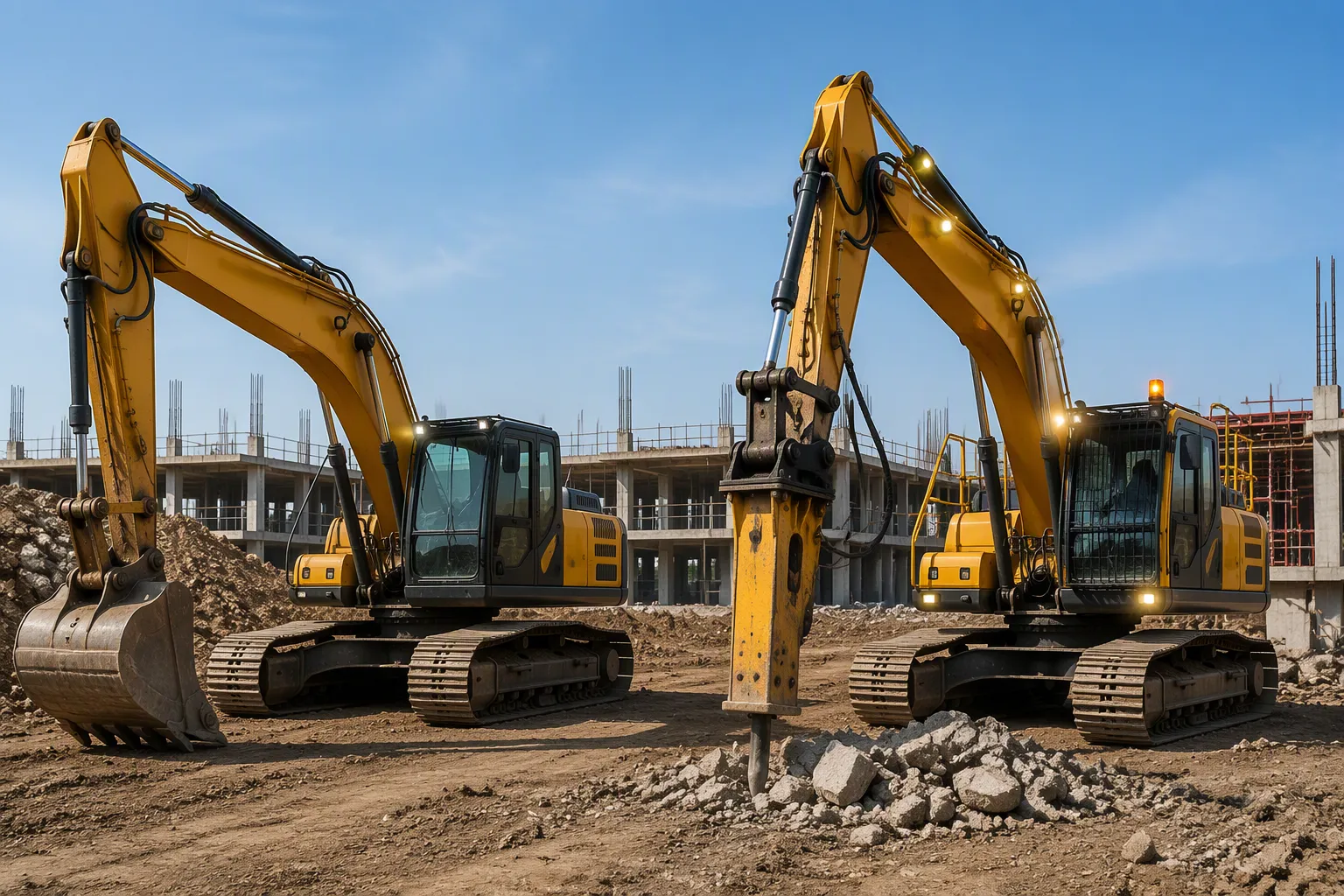
Choosing between a standard and a customized excavator ultimately depends on your project’s unique demands, budget, and timeline. While standard models offer cost-efficiency and rapid deployment for routine tasks, customized excavators deliver tailored engineering solutions for complex environments. According to recent forecasts by Global Market Insights, the global excavator market is projected to reach USD 85 billion by 2025, growing at a 5.2% CAGR through 2035. This massive growth reflects increasingly diverse operational demands across the globe. Before making a significant capital investment, contractors must carefully evaluate their project scope to ensure the machine aligns perfectly with their operational goals.
Key Takeaways
Choose a standard excavator for routine work. It ships quickly and offers lower upfront capital expenditure. This machine fits tight budgets and strict deadlines.
Pick a customized excavator for special conditions. These machines handle underwater work, tunnels, and ports. Standard models cannot match these unique engineering capabilities.
Match the equipment configuration to your project needs. Compare job scope, budget, and timeline first. The right machine class improves productivity and lowers operational risk.
Plan for lead times and support. Standard units arrive in weeks. Custom builds can take months. Strong, dedicated dealer networks are crucial to reduce downtime.
What Is a Standard Excavator?
A standard excavator is a factory-built, mass-produced machine with fixed specifications. Manufacturers design these models for common tasks across many industries. A typical unit weighs between 10 and 45 tons. This weight range covers most commercial needs. The machine arrives ready to work with no modifications required.
Key Excavator Specifications
The key specifications for a standard model include operating weight, engine power, bucket capacity, and reach. These fixed parameters define what the machine can accomplish. A larger operating weight generally means more stability and lifting capacity. The hydraulic excavator in this class delivers strong performance for demanding jobs.
Standard excavators offer greater digging depth, reach, and lifting capacity than mini excavators. A mini excavator works well in tight spaces. A standard model handles deeper trenches and heavier loads. The hydraulic system also powers larger attachments. These attachments include hydraulic hammers, crushers, and high-capacity buckets. Contractors select the optimal machine tonnage that matches their daily workload.
Common Applications and Availability
Standard excavators are the most common size for commercial construction. They appear on building sites, road projects, and utility installations. The machines handle excavation, grading, and material handling with ease. Their versatility makes them a reliable choice for many contractors.
Availability sets standard excavators apart from custom options. Dealers stock these machines for immediate purchase or rental. A contractor can secure a unit within days rather than months. Small excavators and larger models alike benefit from this ready supply. Buyers compare specifications across brands to find the best fit. This quick access supports tight project schedules and reduces downtime risk.
What Is a Customized Excavator?
A customized excavator is a machine modified or built to order. It features specialized attachments, altered dimensions, or unique capabilities. Manufacturers adapt the base unit to a specific job. This approach differs from buying a standard model off the lot.
Customization Options and Modifications
Tianheng Machinery (Tianhengweiye) serves as Hyundai's designated partner for modifying special equipment. The company delivers solutions for municipal, subway, and port projects. These builds address terrain, attachment, and regulatory demands that a stock machine cannot meet.
Category | Customized Excavator / Modification |
|---|---|
Piling Equipment | Hyundai pile drivers for 12–24 m steel piles |
Demolition Equipment | Building demolition machines, electric car dismantling machines, dismantling machines |
Material Handling | Steel grapples, material unloading machines, train coal unloading machines, coal levelers and unloaders |
Special Terrain | Amphibious excavators with pontoon undercarriages for water and soft mud |
Boom and Arm Attachments | Telescopic booms, extended telescopic booms, heavy-duty breaker arms, rippers |
Cab Modifications | Customizable lifting cab height for trains, mines, and docks |
Long-reach booms extend digging depth for deep subway work. Amphibious pontoons let the machine operate in water and soft mud. Severe-duty rippers break frozen ground. Heavy-duty breaker arms handle concrete demolition. These options show how far a build can move from the factory baseline.
When Customization Becomes Necessary
Customization becomes necessary when a standard machine cannot meet site conditions, attachment requirements, or regulatory constraints. Underwater work demands waterproof and anti-corrosion designs. Tunnel projects need compact dimensions and specialized hydraulic systems. Port operations require extended reach for material handling.
A modular structure allows convenient replacement of professional attachments. Real-time monitoring systems help maintain efficient operation in high-risk environments. These features support demolition, breaking, and high-precision tasks. A standard excavator cannot match this level of adaptation. The decision to customize rests on whether the job demands capabilities beyond the factory specification.
Standard Excavator vs. Customized Excavator: Key Differences
Cost and Return on Investment
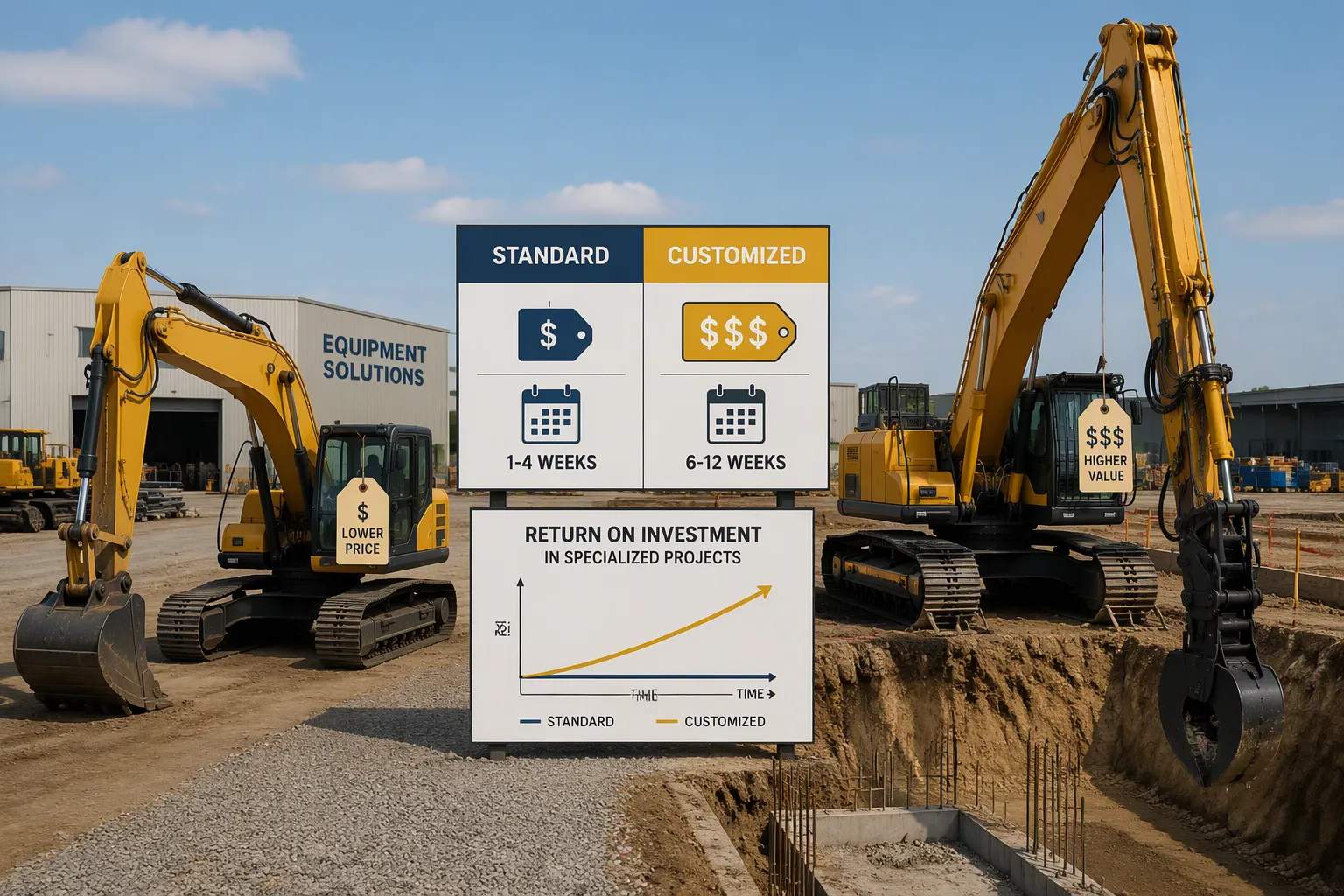
The standard excavator vs. customized excavator comparison often starts with price. A factory-built machine carries more budget-friendly initial pricing. Mass production spreads engineering and manufacturing expenses across thousands of units. Dealers also compete on price for popular models. This competition keeps margins thin and benefits buyers.
A customized excavator costs more from the start. Engineering time, specialized parts, and limited production runs drive the price higher. A one-off build may require custom fabrication for the boom, undercarriage, or hydraulic system. These changes add labor and material expenses.
Long-term return on investment tells a different story in some cases. A standard machine delivers predictable value on common tasks. It holds resale value well because many buyers want the same configuration. A customized unit may not appeal to a broad market at resale. However, a custom excavator can generate higher returns on specialized projects. A machine built for deep subway work or underwater dredging completes tasks that no stock model can handle. That capability translates into contract wins and revenue that a standard unit cannot match. The right equipment configuration for the job also affects ROI. An undersized machine slows production. An oversized machine wastes fuel and capital.
Lead Time and Availability
Availability separates these two options more sharply than any other factor. Standard excavators sit in dealer inventory or ship quickly from the factory. A buyer can secure a unit and start work within days. Custom builds follow a different timeline.
Order Type | Typical Factory Delivery Lead Time |
|---|---|
Standard excavator (in stock) | 1–4 weeks |
Custom-ordered excavator | 6–12 weeks under standard production schedules; 12–20 weeks during peak demand or for highly customized equipment |
High-demand or disruption scenario | 4–6 months or longer |
Factory shipment data shows a similar pattern. Standard models ship in 30–45 days from order confirmation. Custom orders, including private labeling and special colors, take 45–60 days. These figures assume normal production conditions. Peak demand or supply disruptions extend both timelines.
Project schedules feel this difference directly. A contractor with a short window can rent or buy a standard machine and begin work immediately. A custom order requires planning months in advance. Delays in a custom build can push back an entire project timeline. The standard excavator vs. customized excavator decision therefore hinges on how soon the machine must arrive on site. Contractors who need equipment fast should weigh availability against customization benefits. Those with flexible schedules can pursue a tailored solution without schedule risk.
Flexibility and Performance
Adaptability to Job Sites
Standard excavators handle most commercial jobs with dependable efficiency. Their chain wheel system performs well on ordinary earthwork and mixed ground, managing uneven terrain with reduced risk though slower than some alternatives. Standard-width double-ribbed track shoes offer a balanced choice, and sealed lubricated tracks extend service life. These excavators remain the default.
Rocky terrain exposes standard undercarriage limits. Track shoes and rollers suffer premature damage; traction slips. Operators notice uneven wear, pulling to one side, and roller vibration. Mud buildup creates tension that degrades digging performance. Customized heavy-duty undercarriages fix this with rocky track shoes, reinforced links, and roller guards. Track rollers absorb impacts up to several tons per unit, distributing force across multiple points. Floating seals block contaminants and extend life in muddy conditions.
Restricted urban sites demand further adaptability. Standard machines may not fit through gates or maneuver near buried utilities. Confined spaces and tight job sites require precise control. Retractable undercarriages narrow the machine for passage, then expand for stable working. Zero tail swing designs let the boom rotate safely near walls. Lighter configurations reduce ground pressure on delicate surfaces. Rubber tracks protect fragile ground, while steel tracks handle harsh terrain. Selecting the right machine footprint and tonnage matters most here.
Specialized Attachments and Capabilities
Matching attachments to the task separates standard performance from custom efficiency. A general-purpose bucket handles soil, sand, and gravel. A trenching bucket cuts narrow trenches around pipes. A skeleton bucket filters fine material while retaining rocks. An angle tilt bucket rotates 45 degrees for grading and sloping without repositioning.
Attachment | Capability |
|---|---|
Heavy-duty bucket | High-strength steel for blasted rock and abrasive materials |
Grading bucket | Wide, flat design for leveling and backfilling |
Utility bucket | Toothless edge for safe excavation near gas lines |
These options extend the range beyond a standard bucket and hammer. Specialty buckets handle V-shaped trenches, frozen ground, and compacted soil. The right attachments for unique job site conditions raise productivity and safety. A customized excavator with the proper configuration completes work that a stock unit cannot match.
Maintenance and Support
Parts Availability and Service Networks
Standard excavators benefit from broad parts availability and established service networks. However, when dealing with specialized or customized equipment, general dealer networks often lack the deep engineering expertise required for rapid troubleshooting. This is where a dedicated modification partner becomes crucial.
Tianheng Machinery demonstrates exceptional after-sales support for Hyundai equipment. Operating 50 direct branches globally, the company maintains a genuine parts inventory valued at up to $5 million. This robust infrastructure ensures that both standard and highly customized Hyundai machines receive factory-level maintenance, rapid component replacement, and specialized technical support. Dedicated support teams can quickly ship missing parts from fully stocked warehouses, minimizing operational delays. Furthermore, routine maintenance, certified repairs, and telematics service alerts are seamlessly integrated into their service channels.
Downtime Considerations
Downtime costs more than the repair itself. A single breakdown can delay an entire project.
Industry studies estimate heavy construction-equipment downtime at $500–$5,000 per hour. Emergency reactive repairs cost 3–5 times more than planned maintenance.
To understand the financial impact of these failures, consider the typical lifecycle costs and downtime expenses associated with a standard 20–40 ton excavator:
Metric | Typical value |
|---|---|
Annual maintenance budget | $5,000–$18,000 |
Major repair cost | $35,000–$125,000 |
Daily downtime cost | $5,000–$15,000 |
Common failure components | Hydraulics, undercarriage, engine |
A planned maintenance schedule reduces surprise failures. A responsive dealer network shortens repair time. Telematics systems send service alerts before small issues become large. Warranty coverage absorbs the cost of unexpected failures. Strong service coverage keeps projects moving, whether the machine is a standard model or a custom build. The right choice depends on how quickly support can respond when something goes wrong.
Matching Project Needs to the Right Excavator Size
Choosing between a standard and a custom machine starts with matching the right equipment configuration to the project's schedule. No single machine class works for every site. The decision flows from the project needs, the job requirements, and the operating environment. Standard machines excel when the work is routine and the timeline is short. A customized machine earns its place when the site is difficult or the task is specialized.
Short-Term vs. Long-Term Projects
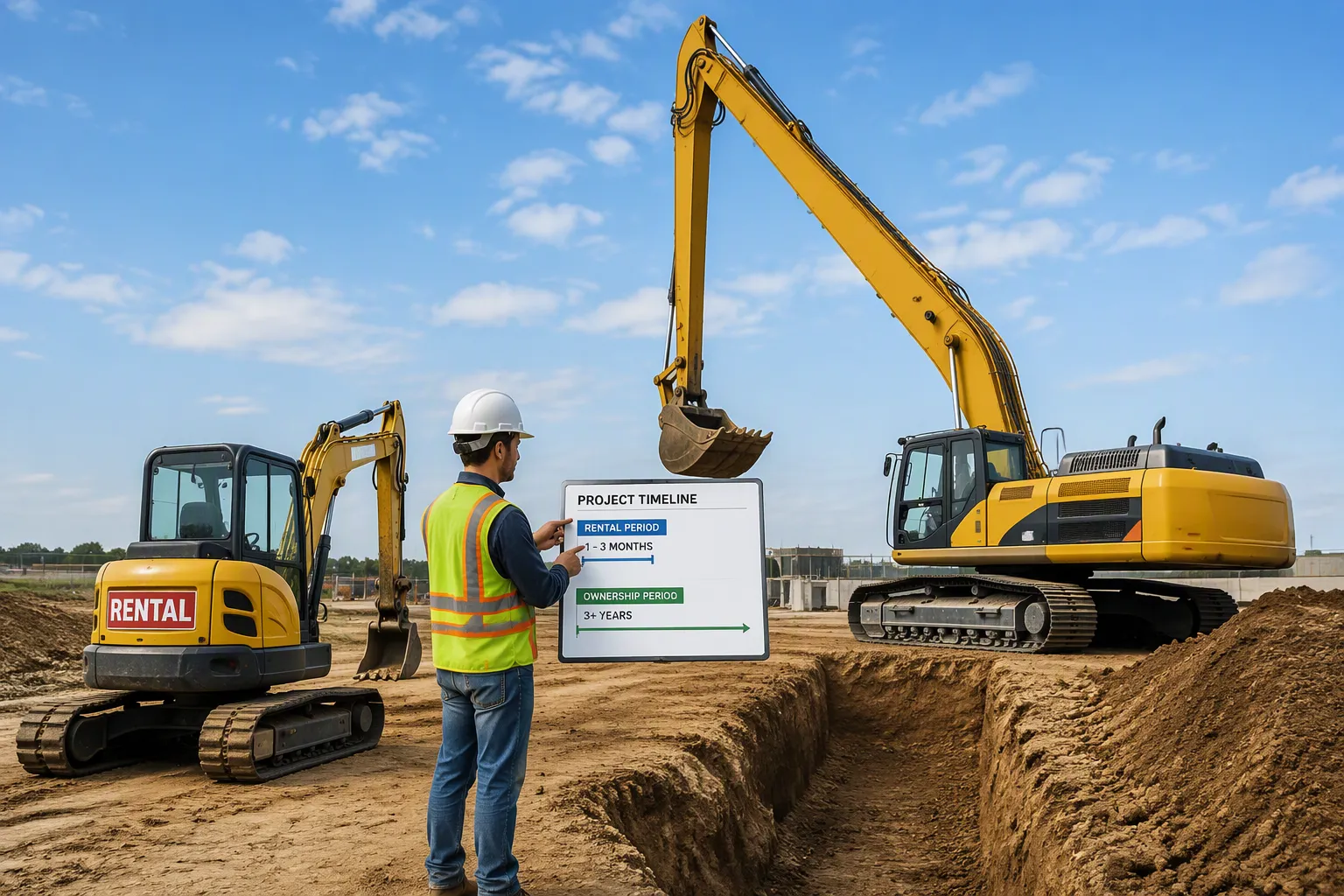
The duration of the project often decides the right equipment choice. For a job lasting weeks or a few months, renting a standard machine avoids a large capital outlay. The rental agreement covers maintenance, so the contractor scales down cost. Short-term projects rarely justify a custom build. A rented unit can reach the site within days and begin excavation immediately. The machine footprint within a rental fleet may not be perfect, but it is sufficient. A compact machine footprint can navigate narrow alleys. Compare the machine's reach and tonnage against the trench depth before committing.
Cost / Decision Factor | Renting (short-term) | Purchasing (long-term) |
|---|---|---|
Initial Cost | Low upfront cost | High upfront investment |
Long-term Cost | Higher long-term expense | Potentially lower cost over extended use |
Maintenance | Included in rental | Owner's responsibility |
Equipment Variety | Wide selection available | Limited to owned models |
Availability | Subject to rental terms | Always available |
Tax Benefits | None cited | Depreciation deductions may lower taxable income |
Best Fit | Short-term (weeks to months) | Long-term (months to years) |
For extended projects, purchasing makes sense. A machine used for months or years spreads the upfront cost across many work hours. The buyer can request customization, such as a longer boom or a specialized attachment. High usage rates point toward owning the machine. Occasional use favors renting. Owning versatile equipment also opens new business opportunities for future projects. The right equipment configuration supports those long-term plans. An oversized machine wastes fuel, while an underpowered unit slows the crew.
For brief projects, renting may be more economical.
For extended projects, purchasing can offer customization and potentially lower costs over time.
High usage rates suggest purchasing, while occasional use favors renting.
Owning versatile equipment can open new business opportunities for future projects.
Unique Site Conditions and Complexity
Site conditions often override cost comparisons. A tight urban site with buried utilities demands a machine with precise control and a small footprint. Foundational work near existing structures may require a zero tail swing design. Deep trenching calls for a longer reach than a standard unit provides. Port and subway construction push this further. A machine built for these conditions must match the operating environment exactly. Selecting the appropriate machine class for these jobs means considering both the physical dimensions and the power needed. In many cases, the operating environment dictates the equipment specifications more than the budget does.
In amphibious work, customization is not optional.
Customization is key in amphibious excavator design. It allows us to tailor the machine to the client's exact needs, improving efficiency and productivity on the job site.
A standard unit cannot wade into soft mud or operate on water. A customized amphibious machine with a pontoon undercarriage can. Similarly, a demolition machine with a heavy breaker arm handles concrete that a standard machine cannot break. The optimal machine configuration for these tasks comes down to the specific attachment and reach required. An experienced dealer can map the right equipment setup to the task. A port project may feature a telescopic boom, while a subway job needs a compact frame. Selecting the right excavator is more than picking a bucket.
The standard excavator vs. customized excavator decision, then, is not about which machine is better overall. It is about whether the project needs a stock machine or a tailored one. Standard excavators remain the default for common work. Customized excavators take over when complexity demands more. Evaluators should compare the full range of machine configurations and match the machine to the job. The right equipment balance considers cost, timeline, and the physical demands of the site. Always weigh the project's demands against the site conditions before signing a lease or purchase order.
Choose a standard excavator when budget matters, tasks are routine, and the timeline is tight. These machines are readily available for purchase or rental. Choose a customized excavator when your project has unique requirements, specialized tasks, or a long duration. Custom machines also make sense when standard models fall short.
Evaluate your project scope, budget, and timeline before deciding. Consult equipment dealers or experts like Tianheng Machinery for personalized advice. They can offer customized equipment recommendations that match your specific needs. The standard excavator vs. customized excavator decision shapes your project's success. Select the right excavator for your business by assessing your needs first. Do not rush this choice. Take time to review every factor before you buy or rent.
Ready to Optimize Your Fleet?
Whether you need a reliable standard excavator or a fully customized solution for complex terrain, our engineering team is here to help.
Get a Custom Quote from Tianheng MachineryFAQ
How long does it take to receive a standard excavator?
A standard excavator in dealer stock ships within 1–4 weeks. Factory orders typically arrive in 30–45 days. This quick turnaround suits projects with tight schedules. Contractors can also rent a unit immediately from a local dealer.
When should I choose a customized excavator over a standard model?
Pick a customized machine when the site demands capabilities a stock unit lacks. Underwater work, tunnel projects, and port operations often require special attachments or altered dimensions. If a standard excavator cannot meet site conditions or regulatory constraints, customization becomes the practical choice.
Does a customized excavator cost more to maintain?
Custom machines may need specialized parts, which can slow repairs if not properly supported. However, strong dedicated dealer networks offset this risk. Tianheng Machinery, for example, operates 50 branches and stocks genuine parts valued up to $5 million. This support covers both standard and customized Hyundai equipment, ensuring rapid maintenance.
Can I rent a customized excavator for a short project?
Rental fleets rarely carry customized units. Most rental yards stock standard models only. A short project with unique requirements may need a purchased custom build instead. Plan months ahead if your job demands specialized equipment.
What is the biggest risk of choosing the wrong excavator type?
Downtime ranks as the top risk. Industry studies estimate heavy equipment downtime at $500–$5,000 per hour. An undersized or mismatched machine slows production and inflates costs. Match the excavator to the job requirements and operating environment before committing.
Recent News
1.Hyundai HX130: Urea-Free China Stage IV Excavator
2026-09-302.Hyundai HW155: China Stage IV Wheeled Excavator
2026-09-223.Hyundai Excavator Modification: Don't Void Your Warranty
2026-09-284.2026 Hyundai Excavator Guide: Match HX & HW Models to Jobs
2026-09-215.Hyundai HX220PRO: China Stage IV 20-Ton Excavator for Efficient Work
2026-09-15


