


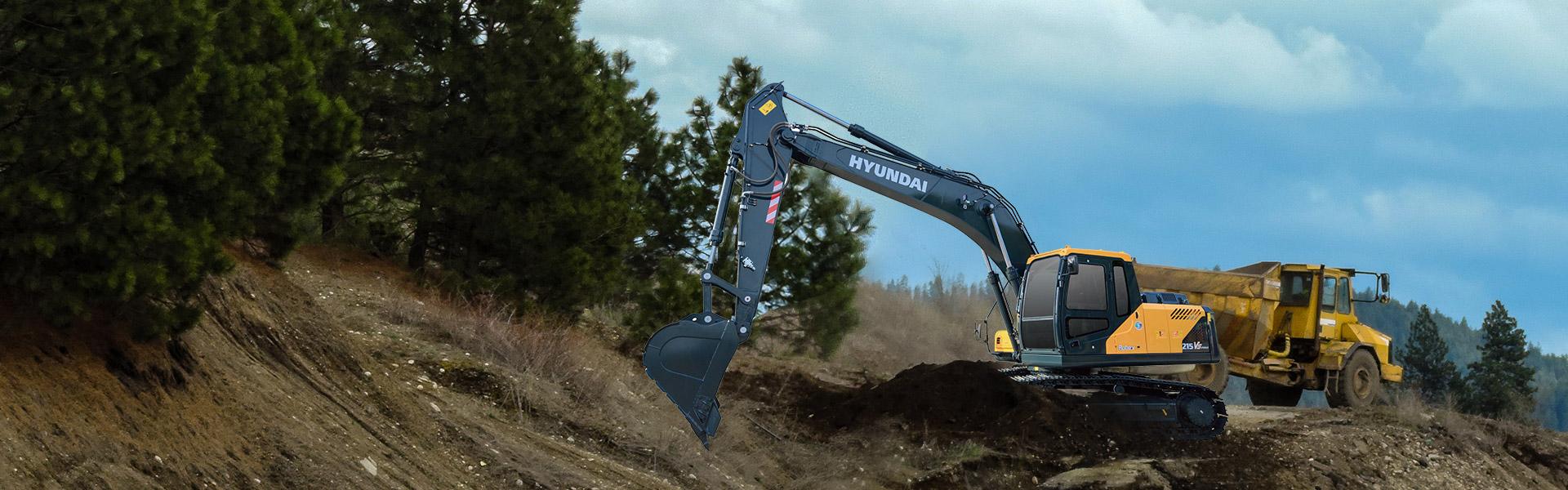
How to Choose a Reliable Excavator Supplier for Your Business
 Nov 23, 2026|
 View:19
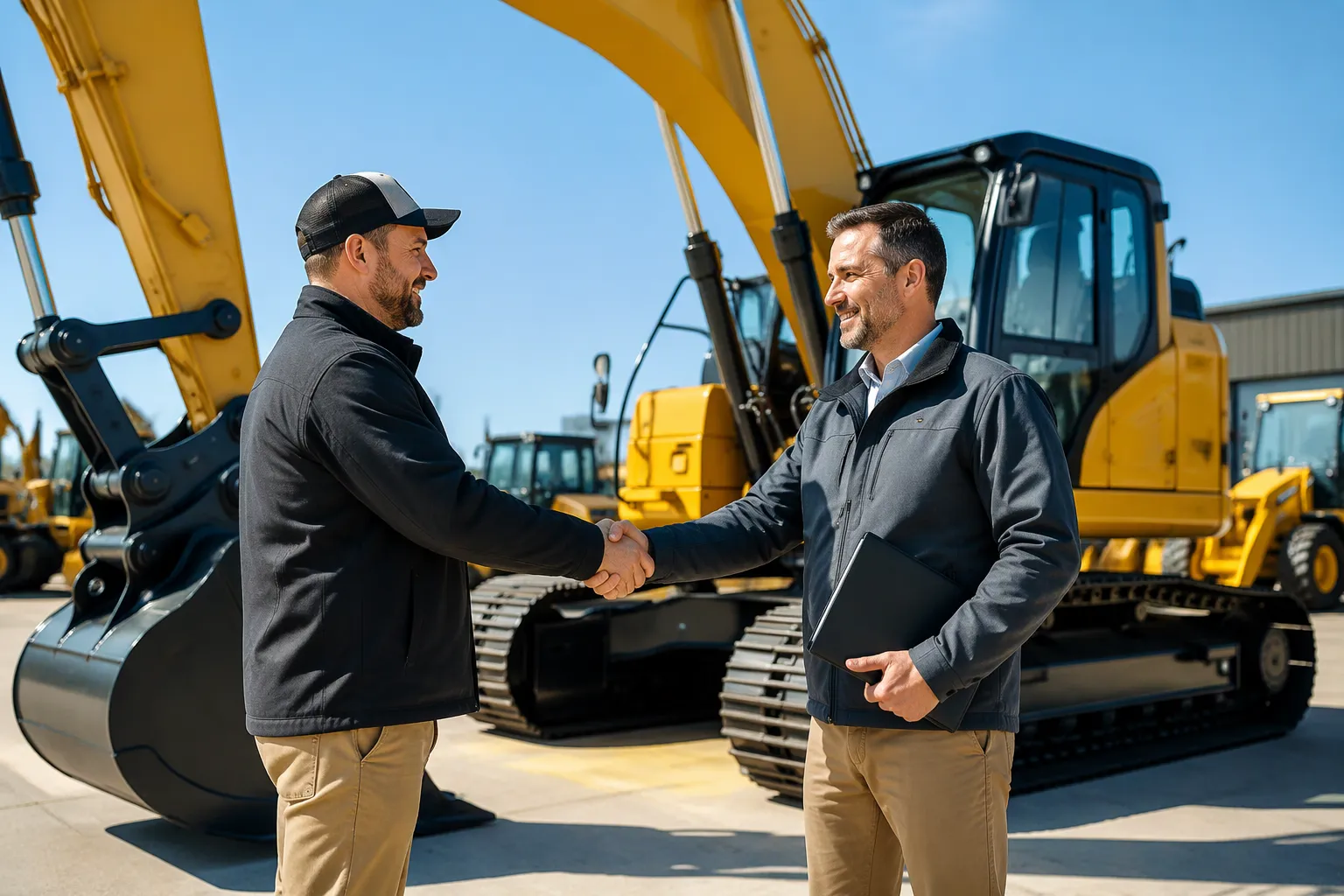
Buying an excavator is not a one-time transaction. It is the start of a long relationship with the excavator supplier that provides the machine, the parts, and the service behind it, and that relationship shapes your uptime, your operating costs, and your reputation on every jobsite.
Dealers, manufacturers, and financing structures crowd the market, so the real question is narrower: how do you identify a reliable excavator supplier you can depend on for years rather than for the length of one sales conversation? This guide sets out an evaluation framework covering supplier vetting, machine fit, compliance, cost of ownership, support coverage, and financing. It works for a first-time buyer and for a fleet operator planning expansion.
One point on geography before you start. Support is not the same everywhere, and a large network in the supplier's home country does not automatically translate into coverage at your site. The framework below asks you to score every excavator supplier on your shortlist against your own coverage map rather than against a brochure.
Key Takeaways
Write down the machine specification and the support requirement before you talk to any excavator supplier.
Judge an excavator supplier on parts depth, technician capability, and response time, not on the quality of the sales call.
Score candidates against a written checklist, then verify the claims with references and a site visit.
Match machine type and size to your typical jobsite before you compare brands or prices.
Confirm emissions compliance for the market you will work in, and treat total cost of ownership as the real price.
What a Reliable Excavator Supplier Provides
Reliability extends well past the iron itself. A dependable excavator supplier supports the machine through parts, service, and business continuity for the full length of ownership, which decides how quickly a stalled machine returns to work. Before you evaluate any candidate, write two lists: short-term needs covering the machine, delivery timing, and setup, and long-term needs covering parts lead times, service response, warranty, and the supplier's staying power. A written list makes every later comparison objective, and it stops a persuasive opening offer from redefining what you need.
Beyond the Machine: Parts, Service, and Continuity
Parts Availability
Parts availability separates a real excavator supplier from a mere seller. Ask how parts are ordered, how long common components take to arrive, and whether high-wear items are stocked locally. Ask the excavator parts supplier for current stock levels rather than a catalog; a deep inventory shortens downtime and protects your project schedule.
Inventory depth is measurable, so ask for figures. One example from the market: Jiangsu Tianhengweiye Construction Machine Co., Ltd. (TH-MACH), a Hyundai excavator dealer based in Changzhou, China, holds up to USD 5 million in genuine Hyundai parts across its network. Other supplier models may reach similar coverage through different inventory strategies, so treat the figure as a benchmark rather than a target.
Service Capability
Service capability covers trained technicians, diagnostic tools, and repair turnaround. Ask the excavator supplier how many technicians are factory-trained, which diagnostic platforms they use, and what turnaround they commit to in writing.
Tianheng illustrates one full-service model. The company runs more than 50 directly operated branches across seven Chinese provinces and municipalities, and has held Diamond-level Hyundai cooperator status in service and parts for 15 consecutive years. For a buyer outside China, that footprint answers a different question: it shows where the parts and technical escalation come from, not that a technician will reach your site tomorrow. Score an excavator supplier on the coverage it can actually deliver to your location.
Manufacturer Relationships
Strong manufacturer relationships give an excavator supplier priority access to machines, parts, and technical updates, and close factory ties resolve allocation issues faster. Ask each candidate about its dealer tier, sales history, and direct line to the factory. Tianheng's group traces 25 years of Hyundai-focused business through predecessor companies established in 1999 and 2001; the current company was formed in Changzhou in 2010. It has ranked as Hyundai's overall sales champion in China for 7 consecutive years and has held the service and parts honor for 15.
Financial Stability
Financial stability protects your warranty claims, parts supply, and service agreements over time. An excavator supplier with a sound balance sheet survives market cycles and honors long-term commitments, which also shows up years later when you discuss resale or trade-in. Request evidence of longevity, ask how the company handled the last downturn, and weigh that alongside price when you build the shortlist.
How to Vet an Excavator Supplier with a Written Checklist
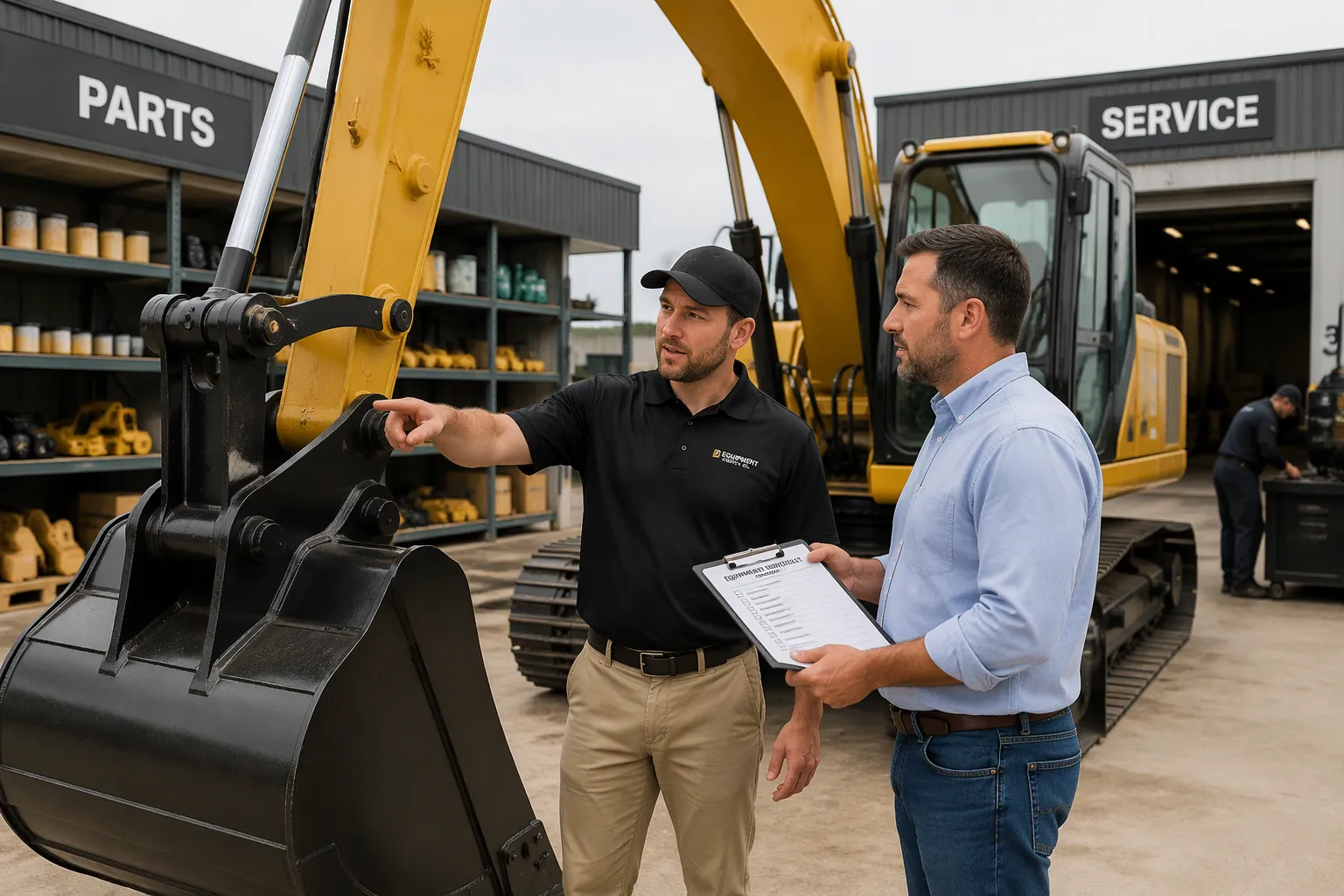
A shortlist means little without a structured way to compare candidates, and the same questions should reach every excavator supplier on it. The table below turns the three areas that matter most—product knowledge, parts and service commitments, and references—into questions you can ask and documents you can demand.
Criterion | What to ask an excavator supplier | Evidence to demand | Weight |
|---|---|---|---|
Machine fit | Which model matches your tonnage, reach, and attachment plan | Spec sheet and lift chart for the exact model | Critical |
Parts depth | Which high-wear parts are stocked, and at what lead time | Stock report for filters, teeth, and seals | High |
Service capability | Technician training, diagnostic tools, response window | Service agreement with stated response times | High |
Compliance | Which emission standard applies where you will work | Engine certification and build date | Critical |
References | Customers running the same model on similar work | Two contactable references and a site visit | Medium |
Commercial terms | Price, delivery, warranty exclusions, payment structure | Written quotation, warranty document, amortization | Medium |
Weight the criteria before you score anything. A high-utilization fleet should treat parts depth and response time as critical; a buyer adding one machine to a small crew may weight local service and financing flexibility higher. Every excavator supplier on the list faces the same scale, and the numbers matter less than applying it consistently.
Product Knowledge
A knowledgeable excavator supplier can explain how a specific model performs on your ground conditions, which attachments suit your work, and where a machine's limits lie. Weak product knowledge shows up as vague answers or a pitch that ignores your questions. Test it directly: ask how the supplier would match an excavator to your jobsite, soil type, and lifting requirements, and request a comparison of conventional and reduced-tail-swing configurations. A strong supplier answers with specifics and names the trade-offs.
Technical support after the sale matters just as much. Ask who answers technical questions once the machine is on site, how quickly, and through which channel. A reliable excavator supplier routes them to trained staff rather than a general call center, and can name the escalation path when the first answer does not solve the problem.
Parts and Service Commitments
Parts and service commitments determine how long a machine sits idle, and downtime costs money on every project. Can the supplier ship from stock, or does every order come from a distant warehouse? An excavator supplier with local depth shortens repair cycles substantially; one without it still quotes the same machine at the same price. Ask for the first-year parts list with prices so you compare consumable costs rather than stickers.
Service capability deserves the same scrutiny. Ask the excavator supplier about technician training, diagnostic equipment, and repair turnaround, and request the service agreement in writing, including response times and warranty terms. A promise of support means little if the nearest branch sits hours from your jobsite.
Send your jobsite details and duty cycle, and we will return a written specification and support proposal.
Get a QuoteReferences and Track Record
Marketing materials present every candidate in a favorable light, while references and site visits show how an excavator supplier performs. Ask for customers running similar equipment on similar work, then call them and ask about uptime, parts delivery, and how quickly the supplier responded when something went wrong.
Site visits add another layer of proof. Walk the parts warehouse, the service bay, and, if possible, a customer jobsite running the same model; a well-run operation shows in organized inventory and busy, competent technicians. Then check the track record: how long has the company operated, has it held its manufacturer relationships through downturns, and what is its dealer tier for sales, service, and parts? A supplier that welcomes scrutiny usually has nothing to hide, and one that resists it deserves a lower score regardless of price. That discipline separates a reliable excavator supplier from a persuasive one.
Supplier Types and Machine Fit
Dealer Versus Direct Manufacturer
Dealer and direct manufacturer channels suit different buyers. An excavator dealer bundles the machine with local parts, service, and trade-in support, and its technicians know the local customer base. A direct factory relationship may offer simpler pricing on large orders and closer technical contact, which suits fleet operators with in-house maintenance. Neither model is inherently better; ask each excavator supplier which model it follows, then weigh the support you gain against the price you pay.
Matching Specs to the Job
Machine fit starts with the jobsite. Conventional excavators offer a wide working envelope and strong lifting capacity, which suits open sites and heavy digging, while reduced-tail-swing models keep the rear swing tight to the tracks for lane closures, urban lots, and other confined work. Size class, ground conditions, and attachments complete the picture: a machine sized for utility trenching will struggle on bulk earthworks, and an oversized unit wastes fuel on tight residential jobs.
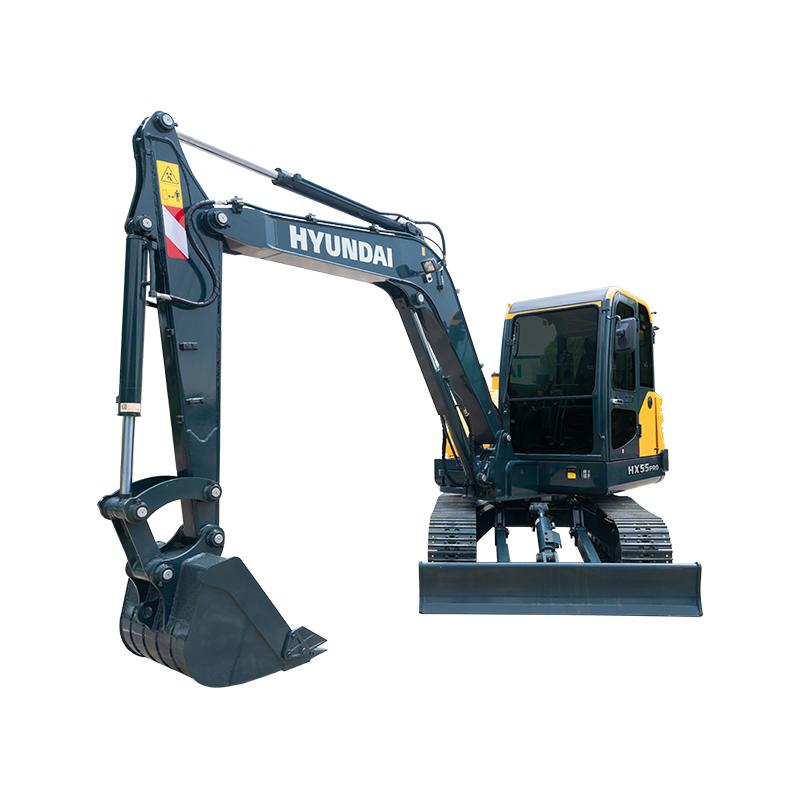
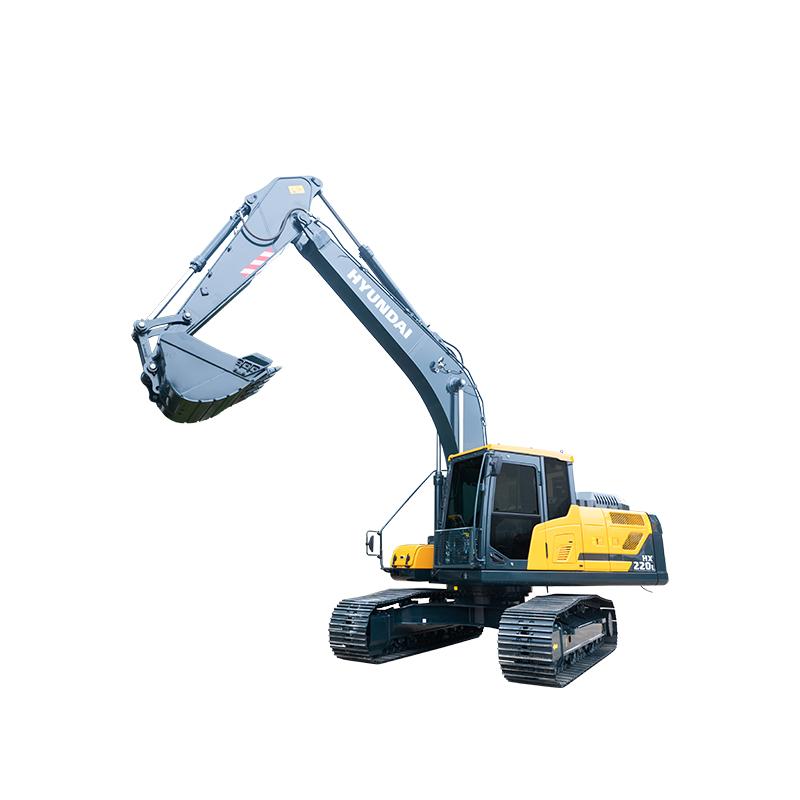
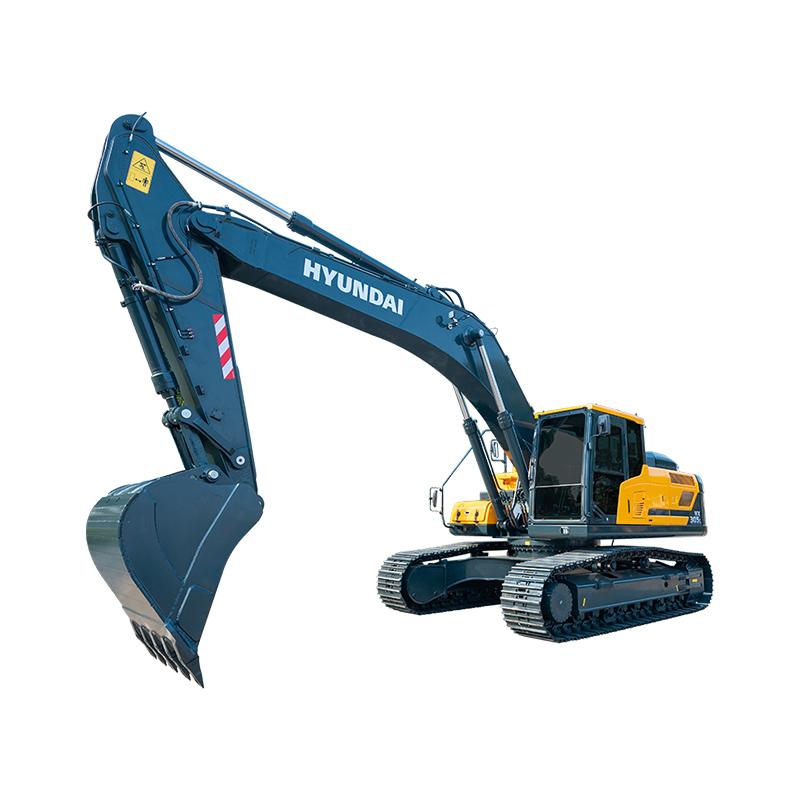
Judge the specific machine against your work rather than the badge on the boom. The three Hyundai models below cover the small, mid-size, and heavy classes with published T4 specifications.
Model | Operating weight | Bucket capacity | Rated power | Typical work |
|---|---|---|---|---|
HX55PRO (T4) | 5.56 t | 0.18 m³ | 36.2 kW | Utilities, landscaping, tight residential |
HX220L (T4) | 22.65 t | 1.0 m³ | 125 kW | General earthworks, trenching, truck loading |
HX305L (T4) | 31.7 t | 1.44–1.63 m³ | 173 kW | Bulk excavation, quarry, heavy site preparation |
Specifications are published figures for the T4 configuration; confirm the final configuration, attachment package, and lifting capacity for your application in writing.
See the full crawler excavator range
New, Used, and Rental Pathways
New machines bring full warranty coverage, current emissions compliance, and the latest technology at the highest upfront cost. Used machines lower the entry price and deliver strong value when a supplier verifies service history and condition. Rental suits short projects, seasonal peaks, and trial periods before a purchase. A contractor with steady demand usually gains from ownership; a business with fluctuating volume may prefer rental flexibility. Ask each excavator supplier how it supports the pathway you choose, including inspection reports and buyout terms, and expect an honest explanation of the trade-offs rather than a push toward the highest-margin option.
Compliance and Cost of Ownership
Emissions Compliance: Tier 4 Final and Stage V
Emissions compliance protects your business from regulatory risk, and the standard that applies depends on where the machine will work. In the United States, off-road diesel engines fall under the EPA's Tier 4 program, with Tier 4 Final limits defined in 40 CFR Part 1039.[1][2] A machine that does not meet the applicable tier for its power band and model year cannot legally be placed into service on regulated projects.
In the European Union the equivalent framework is Stage V under Regulation (EU) 2016/1628, which also covers spark-ignition engines and adds particulate number limits.[3] Other markets set their own requirements, and some accept either standard depending on the import route. Establish which regime applies to your project before you compare quotes, because retrofit is rarely practical.
Ask the excavator supplier for the engine emissions certification and the machine's build date, and confirm both match the model you intend to buy. Tier 4 Final and Stage V machines use aftertreatment systems that need specific maintenance, so ask how that maintenance is supported and whether replacement components are stocked. A reliable excavator supplier answers these questions with paperwork, not assurances.
Purchase, Fuel, and Maintenance Costs
Total cost of ownership extends far beyond the sticker price. Fuel consumption, maintenance intervals, and repair frequency shape the real expense over years of service, so compare candidates on all three rather than on price alone. Fuel use varies with machine size, workload, and operator technique: ask each excavator supplier for consumption data on the specific model and configuration.
Maintenance costs follow the service schedule, so request planned intervals and the cost of routine parts. A machine with a lower purchase price can cost more to run if parts are expensive or intervals are short. Build a simple annual estimate of fuel, scheduled maintenance, and a reserve for repairs; that figure tells you more than any single invoice. Regional price differences matter too, because duty, freight, and registration can shift landed cost by more than the negotiation does, so published pricing benchmarks by market are a useful starting point.
Resale Value and Lifecycle Planning
Resale value rewards buyers who plan ahead. Brands with strong dealer networks and proven reliability hold value better, and machines with complete service records sell faster. Keep every maintenance record from day one, decide how many years you intend to keep the machine, and match the maintenance investment to that horizon. Ask the supplier about trade-in programs and typical resale performance, then confirm it against independent used-equipment listings rather than accepting the answer as given.
Buying from an Overseas Excavator Supplier
Most buying guides assume you will deal with a dealer down the road. Many buyers do not, and the questions change when the machine crosses a border. The reliability of an overseas excavator supplier is judged on paperwork, shipping discipline, and what happens when a part fails six months after arrival.
Lead Time, Terms, and Pre-Shipment Inspection
Ask for a written lead time that separates machine build, attachment fitting, and shipping booking, because a single figure hides the delay. Confirm the Incoterm: under FOB you arrange and pay freight and insurance from the port of loading, while CIF puts that cost on the supplier but leaves risk transfer and unloading with you. Confirm the document set as well, including commercial invoice, packing list, bill of lading, and certificate of origin.
Inspection is worth the fee. A pre-shipment check by a third-party inspection company, or a visit by your own engineer, should record the serial number, hour meter, attachment list, and photographs before loading. Agree in advance what happens if the machine does not match the specification at inspection.
Cross-Border Warranty and Parts Logistics
Warranty terms that work domestically often fail across a border. Ask who executes the claim, whether labor is covered, how parts are shipped, and how long a decision takes. An excavator supplier without a local branch will work through remote diagnosis and air-freighted parts, so request the express shipping window and a recommended list of parts for the first year of operation.
Include consumables in the order. Filters, teeth, and seals are cheap to ship with the machine and expensive to air-freight later, and a supplier that helps you build that first spares package is showing how it will behave after the sale.
Import Rules for Used Equipment
Used machines are a different procurement route, and several markets restrict or prohibit importing used construction equipment, or cap the age and hours of what may enter. Check the rule for your country before you negotiate, and ask for documentation of service history, any past structural repair, and the emissions category. A used unit that cannot be registered is not a bargain.
Buying from outside your region? Ask for a landed-cost sheet covering machine, attachments, freight, and spare parts.
Contact UsExcavator Supplier Networks and Financing
Service Coverage and Response Times
An excavator supplier's network determines how fast help reaches your machine. Map every branch against your typical jobsites before you sign: a dense network shortens travel time for technicians and parts, while a thin one turns a minor repair into a multi-day outage. Ask the excavator supplier for written response commitments covering the breakdown call, technician dispatch, and after-hours emergencies, and confirm that the nearest branch actually stocks parts. Tianheng publishes its branch footprint and its project and exhibition record openly, which makes verification easier.
Financing and Leasing Structures
Financing shapes cash flow as much as it shapes cost. Compare structures on total outlay, not on the monthly figure alone.
Structure | Typical fit | Key trade-off |
|---|---|---|
Straight purchase | Steady, long-term demand | Highest upfront capital |
Equipment loan | Buyers who want ownership with spread payments | Interest cost over the term |
Lease | Short projects and seasonal peaks | No ownership at the end |
Lease-to-own | Businesses testing a model before committing | Total cost may exceed a direct purchase |
Ask which lenders or export credit facilities the excavator supplier works with and how deposits are structured, then request the full amortization schedule and payment terms in writing. A reliable excavator supplier explains the trade-offs openly rather than steering you toward the highest-margin option.
Warranty and Support Terms
Warranty terms protect your investment during the riskiest years of ownership, so read the coverage document line by line: which components it covers, how long coverage lasts, and what voids it, with particular attention to exclusions for wear parts, improper maintenance, and unauthorized repairs. Support terms extend past the warranty, so ask how technical questions are handled once coverage ends and whether service agreements include scheduled maintenance, priority scheduling, or loaner machines. Compare the documents side by side, and put every commitment in writing before you commit.
Powertrain Trends
Electric and Hybrid Options
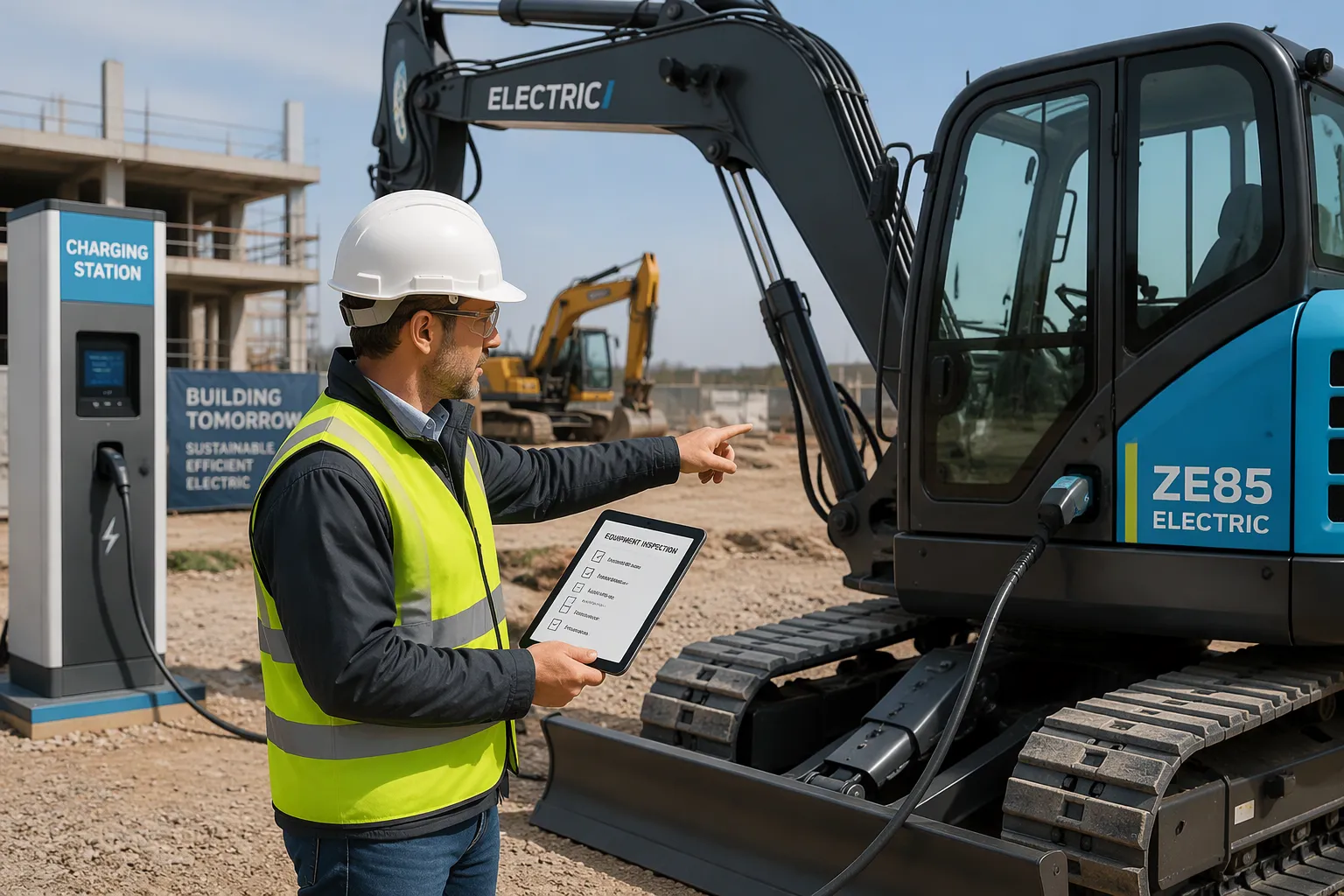
Electric and hybrid excavators have moved from concept machines to practical options for specific applications, and neither replaces diesel across the board. Battery-electric models suit fixed sites with reliable grid power, such as indoor demolition, tunnel work, and urban projects with strict noise or emissions limits: they produce no tailpipe emissions and run quietly. The limits are real as well, including charging infrastructure, battery cost, and reduced range on remote sites.
Hybrid machines pair a diesel engine with electric assistance. They cut fuel burn in stop-and-go work such as trenching and loading and refuel like conventional units, so sites without charging access can adopt them with little disruption. Fuel savings vary with duty cycle, so ask each excavator supplier for consumption data tied to your workload rather than generic claims. Diesel remains the default for heavy digging, remote locations, and high-utilization fleets; match the powertrain to the site and the charging infrastructure you actually have.
Running the Evaluation
Step-by-Step Process
A disciplined procurement process turns a crowded market into a defensible decision. Follow the same sequence for every candidate.
Define requirements: machine size class, configuration, attachments, compliance needs, service coverage area, and budget range, with must-haves separated from preferences.
Shortlist three or four suppliers that carry suitable machines and cover your operating area.
Score against the checklist, rating machine fit, parts and service commitments, references, compliance, and commercial terms on one consistent scale.
Verify references and site visits, confirming that claimed inventory and service capability exist in practice.
Negotiate terms, comparing financing, warranty documents, and response commitments side by side, and get every promise in writing.
Score numerically and weight the criteria to your business. A supplier that wins on price but lags on parts availability should rank lower for a high-utilization fleet, and because the process is repeatable, future purchases follow the same path.
Case Examples
A small contractor running one or two machines prioritizes local service and flexible financing. A breakdown stalls the entire business, so response time and parts availability outrank purchase price, and a lease-to-own structure preserves cash flow. Machine fit matters too: a reduced-tail-swing unit suits residential and utility work in tight spaces.
A large fleet operator weighs total cost of ownership and network density. Dozens of machines spread across regions demand broad service coverage and deep parts inventory, so this buyer negotiates volume pricing, standardized maintenance schedules, and priority response terms, and lets resale value drive replacement cycles. An overseas operator in this position should also test the supplier's export process, because a late vessel costs more than a late quotation.
The framework works as a repeatable process: define requirements, shortlist candidates, score each against the checklist, verify references and site visits, then negotiate terms in writing.
Long-term value should outweigh the lowest initial price. Support, uptime, compliance, and resale determine the real cost of ownership, and a cheap machine with weak parts coverage costs more over its service life.
Jiangsu Tianhengweiye Construction Machine Co., Ltd. (TH-MACH) has supplied Hyundai excavators, genuine parts, and after-sales support from Changzhou since 2010, with 25 years of group experience behind it. If you are evaluating an excavator supplier for your next machine, start with the checklist above and measure every candidate against it.
Tell us your work type, site conditions, and delivery country, and we will propose the machine and support package that fit.
Get a QuoteFAQ
How many excavator suppliers should a buyer shortlist?
Three or four works. That range exposes differences in parts depth, service coverage, and pricing, while a longer list dilutes the evaluation and a shorter one weakens your negotiating position.
What should I ask an excavator supplier's references?
Ask about uptime, parts delivery speed, and response time during a breakdown, and request the name of a customer running the same model on similar work. Specific questions produce useful answers; general questions produce polite praise.
How do I confirm that a parts inventory claim is real?
Ask to visit the parts warehouse and to see stock levels for filters, teeth, and seals. A supplier with genuine depth welcomes the inspection, while vague answers or postponed visits signal a thinner operation than advertised.
Is a new excavator always the better choice?
No. New machines bring full warranty coverage and current emissions compliance at the highest upfront cost, used units deliver value when service history is verified and import rules allow them, and rental suits short projects and seasonal peaks.
How do I verify emissions compliance for my market?
Request the engine's emissions certification and the machine's build date, then check them against the standard that applies where the machine will work: Tier 4 Final in the United States, Stage V in the European Union, or the local equivalent elsewhere.
How do I vet an overseas excavator supplier before paying a deposit?
Ask for the written lead time, the Incoterm, the full document set, and the warranty execution process, then book a pre-shipment inspection that records the serial number, hour meter, and configuration. Pay against documented milestones rather than a promised delivery date.
Sources
40 CFR Part 1039, control of emissions from new and in-use nonroad compression-ignition engines
Regulation (EU) 2016/1628 on emission limits for non-road mobile machinery
Machine specifications quoted in this article are published figures for the T4 configuration listed on the manufacturer product pages.